
What Does the Autumn UK Budget Mean for the Bond Market Market?
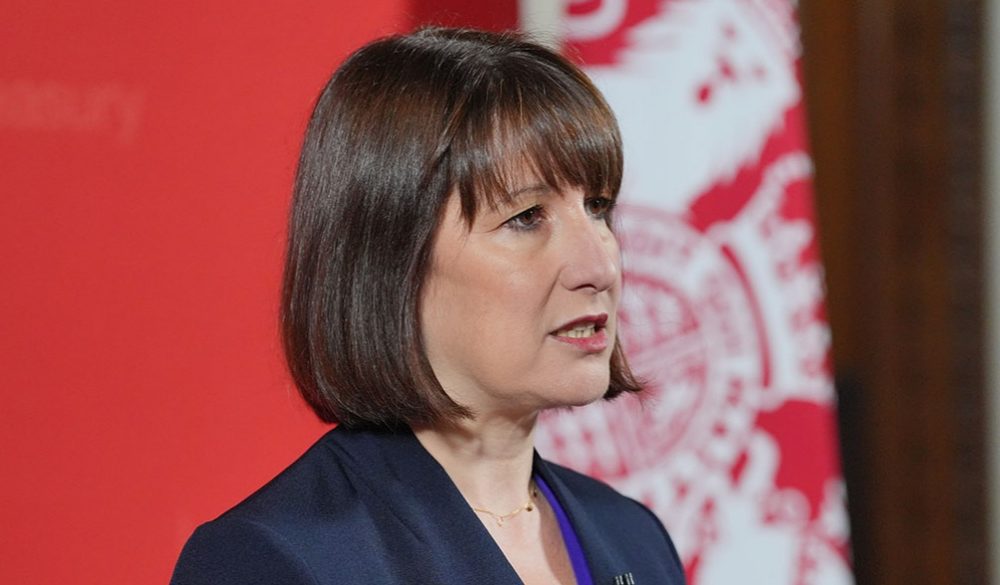
The Autumn UK budget and the bond market are two areas intertwined with high stakes for the economy. This year, Chancellor Rachel Reeves faced the critical task of balancing investment needs and fiscal rules without triggering the kind of bond market volatility seen in past years.
With cautious optimism, she appears to have pulled it off. But not without raising key questions about future debt and borrowing costs.
UK Budget and the Bond Market: A Set of New Fiscal Challenges
The bond market was already under pressure ahead of the autumn UK budget 2024. In the weeks leading up to the announcement, the 10-year gilt yield rose from 3.75% to 4.3%, signaling investor concerns. The widening gap between UK and German bond yields, from 1.6% to almost 2%, indicated heightened uncertainty.
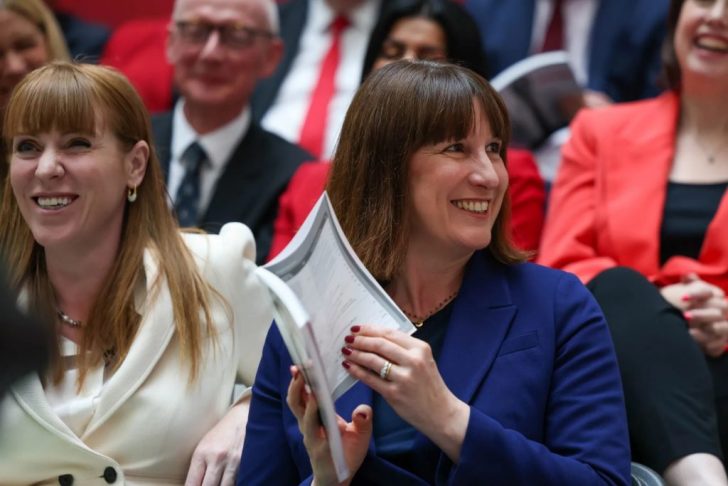
Reuters / The problem is that the bond market was already volatile before the 2024 budget!
This pre-budget volatility meant that Reeves had a tricky path to tread. Her job was to manage market expectations. Any sign of loose fiscal controls or unrestrained borrowing could trigger another meltdown like the one that followed the 2022 mini-budget.
However, the chancellor responded by holding a steady line, avoiding abrupt shocks, and demonstrating restraint in her fiscal announcements.
Gilt Yields React
Immediately after Reeves’ budget announcement, the bond market reacted, but in a relatively calm manner compared to past turbulence. The 10-year yield briefly dipped to 4.23% before inching up to 4.4% as investors absorbed the details. The budget revealed a modest financial headroom for debt by 2029-2030. However, some viewed this as a constrained outlook but ultimately manageable.
The Office for Budget Responsibility (OBR) noted that Reeves’ budget represents “a large sustained increase in spending, taxation, and borrowing.”
However, the anticipated rise in debt issuance to nearly £300 billion this year – the second-highest level on record – did raise eyebrows. Still, Reeves managed to mitigate the potential backlash by tweaking fiscal rules just enough to accommodate investment needs without jeopardizing her fiscal credibility.
The Role of Fiscal Rules and Credibility Is Pivotal
A significant aspect of the UK budget and the bond market interplay is credibility. Reeves took steps to reassure investors by making slight adjustments to her fiscal rules, allowing more room for investment while reinforcing her commitment to fiscal stability. Instead of abandoning the rules, she tightened them to a shorter three-year period.

GTN / The question still remains: Will these investments drive economic growth at a rate that justifies higher debt levels?
Her approach to investment spending also added layers of security. By establishing that funds will be managed by bodies like the National Wealth Fund and requiring returns equivalent to gilt rates, she created guardrails against reckless spending. This assurance of responsible fund management further reassured investors.
Reeves’ messaging during the budget announcement emphasized long-term stability over short-term gains. A move that likely prevented a more volatile bond market reaction.
The Shift in Fiscal Investment and Future Economic Growth
The big takeaway for bond markets was Reeves’ change to the second fiscal rule, which freed up additional space for investment. This pre-announced tweak allowed bond investors to absorb the news gradually rather than as a shock on budget day, thus preventing any knee-jerk reactions.
By signaling this move in advance, Reeves granted investors time to consider the benefits of her planned investments and minimized market disruption.
Reeves placed emphasis on strategic, long-term investments that, if successful, could stimulate economic growth and ultimately ease pressure on the bond market by expanding the tax base. Still, whether these investments yield the expected returns is something investors will be watching closely.
More in Investments
-
`
 Reed Hastings, Netflix Co-Founder, Is Leaving the Company
Netflix confirmed in its first-quarter earnings report that Hastings will not seek reelection to the board and will officially part ways...
May 1, 2026 -
`
 Why the Rich and Famous Are Selling Their Ski Mansions in Secret
A quiet layer of Colorado’s ski-home market rarely shows up on public real estate platforms. Behind the scenes, multi-million-dollar mansions change...
April 25, 2026 -
`
 What’s the Average Investment Portfolio for People in Their 30s Today?
Reaching the 30s often brings a mix of financial priorities that compete for attention. Home ownership, student loan repayment, growing families,...
April 19, 2026 -
`
 Is Tesla’s Investment in xAI a Smart Move for Investors?
Tesla’s decision to invest nearly $2 billion in xAI has quickly sparked debate across Wall Street. At first, the move may...
April 12, 2026 -
`
 If You Owe Student Loans, Don’t Miss This Treasury Update
A major shift is on the horizon for millions of student loan borrowers across the United States. The federal government has...
April 5, 2026 -
`
 Is $1 Million the New Middle Class? Why Millionaires Don’t Feel Rich Anymore
Reaching a million dollars once symbolized success. Today, it feels more like a milestone than a finish line. Many who achieve...
December 21, 2025 -
`
 Switzerland Ends Hands-Off Stance With Landmark Foreign Investment Screening Law
For years, Switzerland stood out as one of the few major economies without a broad system to screen foreign takeovers. Deals...
December 21, 2025 -
`
 Cash Habits of Rich Americans and Practical Tips to Grow Your Savings
Building long-term wealth isn’t about stuffing money under a mattress. Many affluent Americans understand that sitting on large piles of idle...
December 14, 2025 -
`
 Tax Accounting is the Hottest Seasonal Job on the Market, Study
A new analysis from Monster reveals something few expected. Tax accounting is now the most in-demand seasonal job title in the...
December 13, 2025
More From InvestmentGuru
-
 Why Nvidia Is Spending Nearly $13 Billion on Hugging Face
Nvidia is making a major move in the artificial intelligence software market. The chipmaker plans to acquire AI platform Hugging Face...
BusinessSeptember 19, 2026 -
 Warren Buffett’s 2 Success Lessons Ndamukong Suh Still Follows
Ndamukong Suh learned about success from one of the most respected investors in the world. More than 15 years ago, while...
Rich & FamousSeptember 12, 2026 -
 Why Investing in a Single Stock Can Be a Risky Move
A stock can look like a clear winner when a company has strong products, rising profits, or an exciting future. That...
AdvisorSeptember 4, 2026 -
 Retail Investors Sell SpaceX Shares for the First Time Since IPO
SpaceX retail investors shifted direction on August 7, selling more shares than they bought for the first time since the company...
InvestmentsAugust 30, 2026 -
 Robinhood Launches $200M Fund for Y Combinator Startups
Robinhood is preparing to give retail investors access to a fund focused on startups linked to Y Combinator, one of Silicon...
BusinessAugust 22, 2026
You must be logged in to post a comment Login