

How Do Bail Bondsmen Make Money? Here’s Everything You Need to Know
Have you ever wondered, how do bail bondsmen make money? Well, it is an interesting question that dives into the heart of a unique industry. Bail bondsmen play a crucial role in the legal system, helping individuals post bail and return home while awaiting trial.

RDNE / Pexels / A Bail Bondsman is an individual or an agency who charges a fee to criminal defendants in exchange for standing as ‘surety’ for the bail.
Now, let’s go ahead and explore how this process works and how bail bondsmen profit from their services.
How Do Bail Bondsmen Make Money?
Bail bondsmen make money by charging a fee for their services, typically a percentage of the total bail amount. When someone is arrested, they might not have the full bail amount required by the court. This is where a bail bondsman steps in. By paying a non-refundable fee, often 10-15% of the bail, individuals can secure their release. The bondsman then posts the full bail amount on their behalf.

August / Pexels / Apart from the ‘regular’ fees, bail bondsmen also secure collateral from the defendant or their family.
The fee is the primary source of income for bail bondsmen. This might seem straightforward. But there is more to it. Bail bondsmen also secure collateral from the defendant or their family, such as property or other valuable assets. This collateral ensures that if the defendant skips court, the bondsman can cover the bail amount. If the defendant shows up, the collateral is returned, and the bondsman keeps the fee.
What Are Bail Bonds?
Bail bonds are agreements that allow arrested individuals to be released from jail while awaiting their court date. The court sets a bail amount, which serves as a guarantee that the defendant will return for their trial. If the bail amount is too high for the defendant to pay out of pocket, they can seek the help of a bail bondsman.
By working with a bail bondsman, defendants only need to pay a fraction of the total bail. This makes it more accessible for many people to secure their freedom before their trial. The bail bond acts as a surety, promising the court that the full amount will be paid if the defendant fails to appear.
How Do Bail Bonds Work?
When a defendant contacts a bail bondsman, they enter into a contract. The bondsman charges a fee, typically 10-15% of the total bail amount. In addition, the bondsman may require collateral to secure the bond. Once the fee is paid and collateral is secured, the bondsman posts the full bail amount with the court.
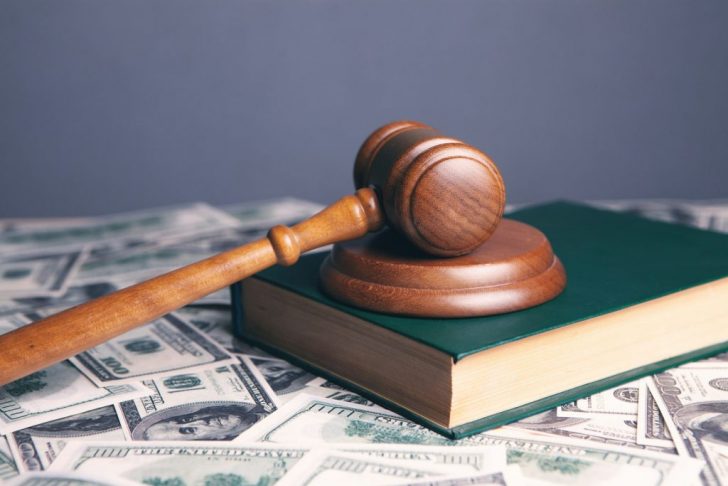
Susan / Pexels / If the defendant appears for all their court dates, the bail is returned to the bondsman. The defendant does not get their fee back.
However, if the defendant fails to appear, the bondsman can use the collateral to recover the lost bail amount. This system ensures that the bondsman is protected against financial loss.
What are the Advantages of Bail Bonds?
Bail bonds offer several advantages, both for the defendants and the legal system. For defendants, the primary benefit is financial. Instead of paying the full bail amount, they only need to pay a small percentage. This makes it easier for people to afford bail and continue their daily lives while awaiting trial.
For the legal system, bail bonds help ensure that defendants return for their court dates. The bondsmen have a vested interest in making sure their clients appear in court, as they risk losing the bail amount otherwise. This creates an additional layer of accountability and reduces the likelihood of defendants skipping bail.
So, how do bail bondsmen make money? Well, they earn their income by charging a non-refundable fee for their services. This fee, usually a percentage of the bail amount, provides a steady source of revenue. Additionally, collateral ensures that the bondsman is protected financially if a defendant fails to appear in court.
More in Advisor
-
`
 Will Bitcoin Crash to $0 or Hit $500K in a Decade?
Bitcoin’s future divides analysts into two extreme camps. Some see it becoming one of the most valuable financial assets in history....
October 12, 2025 -
`
 Can Anyone Really Blame Mariah Carey for ‘Leaving’ the Real World?
Mariah Carey isn’t like the rest of us. From the moment she opens her mouth and that voice pours out, she...
October 10, 2025 -
`
 Intel Invests in Nvidia, but Ratings Remain Unchanged
Intel’s stock jumped more than 30% after news broke that Nvidia poured $5 billion into the company. The rally sparked renewed...
October 5, 2025 -
`
 Homeownership vs. Real Estate Investment: What’s Better?
Homeownership has long been seen as the American dream. But today, more people are asking: Is it really the smartest way...
October 3, 2025 -
`
 Why the Armani Fashion Empire Is Set for an IPO
Giorgio Armani, one of the most iconic names in global fashion, left behind a detailed plan for the future of his...
September 27, 2025 -
`
 Why Do Pokémon Cards Outperform the S&P 500 As an Investment?
Pokémon cards have outperformed the stock market by a mile. Since 2004, they have delivered a staggering 3,821% return, according to...
September 27, 2025 -
`
 America’s Billionaires Get Older—Millennials Wait for Wealth Transfer
Many of today’s billionaires don’t match the youthful tech-founder image often portrayed. While names like Elon Musk, Sam Altman, and Mark...
September 21, 2025 -
`
 Can President Trump Legally Fire Fed Governor Lisa Cook?
Lisa Cook is right in the middle of one of the most explosive legal battles in Washington. President Trump wants her...
September 20, 2025 -
`
 Jeff Bezos’ Advice for Millennials Who Want Financial Success
Millennials today have grown up in a world where instant access to products and services is the norm. From two-day deliveries...
September 13, 2025
More From InvestmentGuru
-
 Is $1 Million the New Middle Class? Why Millionaires Don’t Feel Rich Anymore
Reaching a million dollars once symbolized success. Today, it feels more like a milestone than a finish line. Many who achieve...
Rich & FamousDecember 21, 2025 -
 Switzerland Ends Hands-Off Stance With Landmark Foreign Investment Screening Law
For years, Switzerland stood out as one of the few major economies without a broad system to screen foreign takeovers. Deals...
InvestmentsDecember 21, 2025 -
 Cash Habits of Rich Americans and Practical Tips to Grow Your Savings
Building long-term wealth isn’t about stuffing money under a mattress. Many affluent Americans understand that sitting on large piles of idle...
AdvisorDecember 14, 2025 -
 Tax Accounting is the Hottest Seasonal Job on the Market, Study
A new analysis from Monster reveals something few expected. Tax accounting is now the most in-demand seasonal job title in the...
BusinessDecember 13, 2025 -
 The Role of AI and Empathy in Modern Financial Advice
Advisers today are challenged to harness new technology without diminishing the human element that clients rely on. AI, automation, and digital...
InvestmentsDecember 7, 2025
You must be logged in to post a comment Login