
Six Wrong Ways To Save Money
Time and again, we have been reminded that saving money is as important as earning it. Financial advisors always encourage to save money for the rainy days but because the world is full of temptations, saving money is not that easy. If it is, then you’re probably doing it wrong!
Yes, you heard it right, there is a wrong way to save money. Most of us are doing it and we are not aware that these saving techniques are actually depleting our income. In financial terms, it’s always best to get informed of all the strategies and hacks. Here are ways we are doing our savings wrong.
Putting all your savings in a savings count
We are not saying that having a savings account is a bad thing, but it is not a good way to save either. At most, banks only give 3% interest in the money that you put in. That annual 3% is so small that financial advisors see this as a dormant and not a growing money. Invest it in stocks or mutual fund as much as possible so you can enjoy the bigger profit.
Putting all your investment in one bag

The egg-metaphor of saving and dividing money
If you buy 100 eggs, will you put it in the same bag or are you going to separate it? That’s the same thing as investing your money. Don’t make the mistake of just investing in one stock or company. As much as possible, diversify it so you can have more options and a backup plan when things might fail. Investing it in more stocks can be a lot of work but at least you’ll know be much safer, financially.
Postponing expenses
It’s true that we have to cut back on our expenses if we want to save money but this doesn’t mean we have to cut everything. You have to cut the unnecessary expenses and not the important ones like rent, health care, and food. Buying processed and frozen foods just to cut back on food expenses can have far more serious health threats in the future. The unhealthy eating can eventually outrun you and you can find yourself spending hundreds of dollars in the hospital and medications.
Shopping when there is a sale
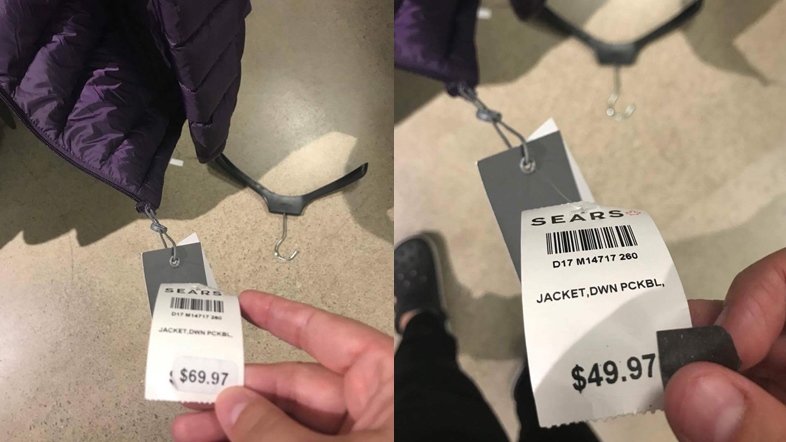
Picture of a price tag where the ‘sale’ price is higher than the original.
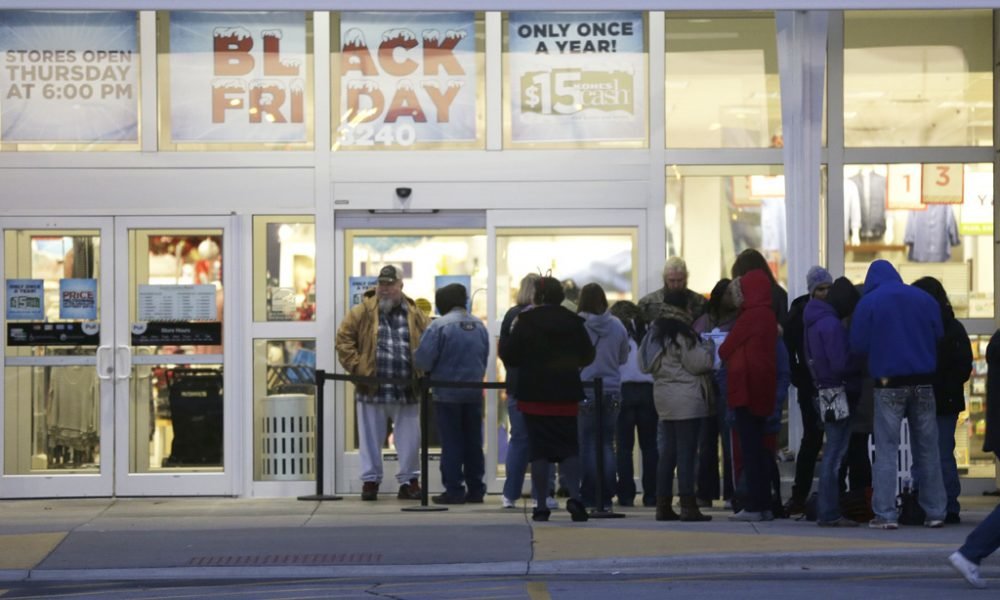
A good bargain never hurt anyone but are you actually getting that item at a cheaper price? Some stores use ‘sales’ as a marketing strategy to increase sales in their stores. There have been many instances where the yellow tag price is higher than the original price. One attitude that can also sabotage our savings is panic buying and hoarding. It’s good to shop during markdown seasons as long as you are sure that you need the items you checked out at the counter.
Buying cheap vs. quality
Quality products usually come at a price and that price is justified by the honesty of the product. We are not saying that all pricey stuff is worth it, it will still depend on the frequency of use. What do we mean by this? If you will use the item every day like car tires, it’s best for you to buy basin on quality. You’ll only end up replacing it more often if you buy the cheaper versions which means you’ll end up spending more and saving less.
Paying debt at the minimum

The more money you allocate to paying your debt, the faster you become financially capable.
Debts can save us from a tight situation but time will come that it’ll only be the same cause of our financial incapability. It’s like digging our own grave in the ground. Paying debts at the minimum seems like a smart decision so you can still have more money left. The thing with debt is, it always comes with an interest. Paying it to a minimum can mean that you’ll prolong the period and you’d end up spending more money for the interest. As much as possible, prioritize your unpaid dues so you’ll avoid the interests attached to it.
There are many ways of spending and saving, but savings should be the priority and not the former. In a world that is run by money, always be smart. It’s always better safe than sorry.
More in Advisor
-
`
 Why the Rich and Famous Are Selling Their Ski Mansions in Secret
A quiet layer of Colorado’s ski-home market rarely shows up on public real estate platforms. Behind the scenes, multi-million-dollar mansions change...
April 25, 2026 -
`
 What’s the Average Investment Portfolio for People in Their 30s Today?
Reaching the 30s often brings a mix of financial priorities that compete for attention. Home ownership, student loan repayment, growing families,...
April 19, 2026 -
`
 Is Tesla’s Investment in xAI a Smart Move for Investors?
Tesla’s decision to invest nearly $2 billion in xAI has quickly sparked debate across Wall Street. At first, the move may...
April 12, 2026 -
`
 If You Owe Student Loans, Don’t Miss This Treasury Update
A major shift is on the horizon for millions of student loan borrowers across the United States. The federal government has...
April 5, 2026 -
`
 Is $1 Million the New Middle Class? Why Millionaires Don’t Feel Rich Anymore
Reaching a million dollars once symbolized success. Today, it feels more like a milestone than a finish line. Many who achieve...
December 21, 2025 -
`
 Switzerland Ends Hands-Off Stance With Landmark Foreign Investment Screening Law
For years, Switzerland stood out as one of the few major economies without a broad system to screen foreign takeovers. Deals...
December 21, 2025 -
`
 Cash Habits of Rich Americans and Practical Tips to Grow Your Savings
Building long-term wealth isn’t about stuffing money under a mattress. Many affluent Americans understand that sitting on large piles of idle...
December 14, 2025 -
`
 Tax Accounting is the Hottest Seasonal Job on the Market, Study
A new analysis from Monster reveals something few expected. Tax accounting is now the most in-demand seasonal job title in the...
December 13, 2025 -
`
 The Role of AI and Empathy in Modern Financial Advice
Advisers today are challenged to harness new technology without diminishing the human element that clients rely on. AI, automation, and digital...
December 7, 2025
More From InvestmentGuru
-
 Warren Buffett’s 2 Success Lessons Ndamukong Suh Still Follows
Ndamukong Suh learned about success from one of the most respected investors in the world. More than 15 years ago, while...
Rich & FamousSeptember 12, 2026 -
 Why Investing in a Single Stock Can Be a Risky Move
A stock can look like a clear winner when a company has strong products, rising profits, or an exciting future. That...
AdvisorSeptember 4, 2026 -
 Retail Investors Sell SpaceX Shares for the First Time Since IPO
SpaceX retail investors shifted direction on August 7, selling more shares than they bought for the first time since the company...
InvestmentsAugust 30, 2026 -
 Robinhood Launches $200M Fund for Y Combinator Startups
Robinhood is preparing to give retail investors access to a fund focused on startups linked to Y Combinator, one of Silicon...
BusinessAugust 22, 2026 -
 Why Korean Celebrities and Sports Stars Just Invested $70 Million in Athletics
The Athletics continue to build financial support for their move to Las Vegas, adding another group of well-known investors just days...
Rich & FamousAugust 15, 2026
You must be logged in to post a comment Login