
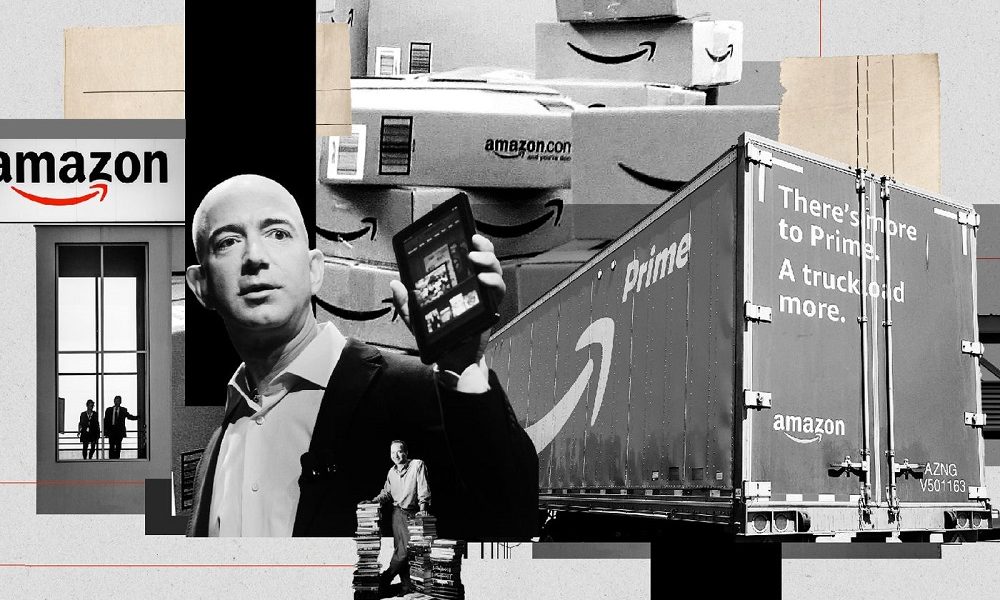
How Amazon Became the E-Commerce Giant
How does Amazon make money? It’s a question that many people ask, given the company’s massive size and reach. While Amazon has many different revenue streams, most of its profits come from three core businesses: e-commerce, cloud computing, and advertising. This article will examine these business segments and see how they contribute to Amazon’s bottom line.
Amazon’s three main revenues
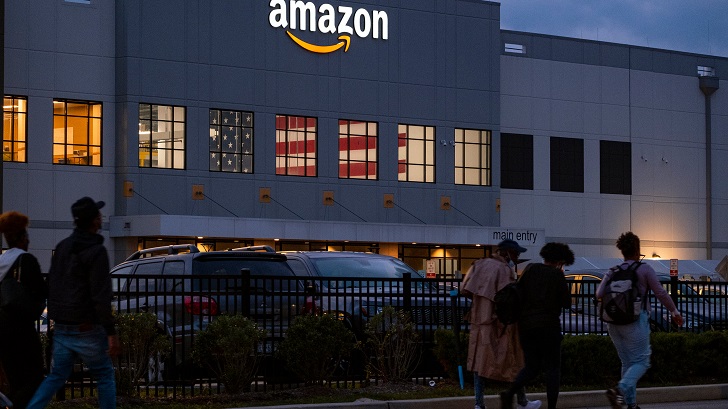
Craig Ruttle/ Associated Press | Amazon now is one of the 5 biggest tech companies in the US and operates in 13 countries and ships worldwide
Amazon is famously known for its vast online store, but its impressive revenue source doesn’t end there. In addition to the online sales performed by Amazon, they also offer the opportunity for third-party sellers to use their platform as a marketplace and make money from it. On top of that, Amazon Web Services (AWS) provides cloud-computing services to companies, allowing them to cut costs while hosting their data in reliable ways. This trifecta of offerings has allowed Amazon to become one of the world’s leading companies, making it clear why sources of income are so important.
Online sales
As the largest online retailer in the world, it’s no surprise that Amazon largely relies upon online sales to maintain its status. It can also be predicted that books, electronics, and home goods will remain popular among Amazon customers as they seek various items for everyday use and hobbies. eCommerce technology has changed how we shop and expanded what was once an exclusively brick-and-mortar experience into much more. We can now choose from hundreds of thousands of items with just a few clicks, changing the retail landscape forever. Companies like Amazon ensure that even if you can’t physically visit a store, you can still find great products wherever you buy.
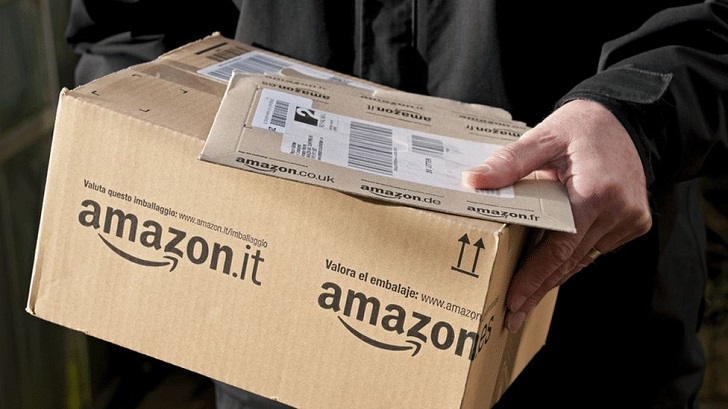
BBC/ Getty Images | Amazon is the first, and only, marketplace to protect customers in third-party product liability cases
Third-party sellers
It is becoming common for entrepreneurs and individual businesses to use Amazon as a platform to sell their products. This way, these third-party sellers can leverage the immense reach of Amazon’s customer base, which is particularly beneficial for smaller businesses that do not have an extensive marketing or advertising team. However, this convenience comes at a cost: Amazon takes a cut of each sale, ranging from 8% to 15%. Despite this fee, many businesses find that offering their products through Amazon produces a more significant ROI than through lesser-known marketplaces or selling directly to customers. In short, it looks like Amazon is emerging as the go-to source for businesses and consumers looking for efficiency and success in their shopping endeavors.
AWS
AWS is Amazon’s cloud computing service that has revolutionized businesses of all sizes. Offering an agile, cost-effective, and flexible solution has allowed many websites and apps to reach a wide audience with speed and scale. It is no surprise that AWS brings in around $5 billion per quarter – a testimony to its success in today’s market. With increased competition in the cloud computing market, Amazon looks set to remain a leader for years.
Reuters/ File | Amazon is working on drone delivery
Other sources of revenue
Finding additional sources of revenue can be a challenge for any business, but the two avenues most popular with consumers are advertising and subscription services. Leveraging marketing opportunities from strategic advertising campaigns designed to bring in more customers can be a powerful way to bring in more money. Still, subscription services have become increasingly popular over the last few years. Examples like Amazon Prime Video and Kindle Unlimited offer an opportunity for customers to engage with a brand on their terms – which makes them accessible to people all around the world, no matter what their financial situation may be. The potential for more customized services will surely lead to increased subscriptions and huge returns for companies who take advantage of it.
More in Business
-
`
 SpaceX Is Going Public — Here’s What $5,000 Could Become in 5 Years
Anticipation is building around one of the most closely watched public offerings in recent memory. SpaceX, led by Elon Musk, has...
May 10, 2026 -
`
 Reed Hastings, Netflix Co-Founder, Is Leaving the Company
Netflix confirmed in its first-quarter earnings report that Hastings will not seek reelection to the board and will officially part ways...
May 1, 2026 -
`
 Why the Rich and Famous Are Selling Their Ski Mansions in Secret
A quiet layer of Colorado’s ski-home market rarely shows up on public real estate platforms. Behind the scenes, multi-million-dollar mansions change...
April 25, 2026 -
`
 What’s the Average Investment Portfolio for People in Their 30s Today?
Reaching the 30s often brings a mix of financial priorities that compete for attention. Home ownership, student loan repayment, growing families,...
April 19, 2026 -
`
 Is Tesla’s Investment in xAI a Smart Move for Investors?
Tesla’s decision to invest nearly $2 billion in xAI has quickly sparked debate across Wall Street. At first, the move may...
April 12, 2026 -
`
 If You Owe Student Loans, Don’t Miss This Treasury Update
A major shift is on the horizon for millions of student loan borrowers across the United States. The federal government has...
April 5, 2026 -
`
 Is $1 Million the New Middle Class? Why Millionaires Don’t Feel Rich Anymore
Reaching a million dollars once symbolized success. Today, it feels more like a milestone than a finish line. Many who achieve...
December 21, 2025 -
`
 Switzerland Ends Hands-Off Stance With Landmark Foreign Investment Screening Law
For years, Switzerland stood out as one of the few major economies without a broad system to screen foreign takeovers. Deals...
December 21, 2025 -
`
 Cash Habits of Rich Americans and Practical Tips to Grow Your Savings
Building long-term wealth isn’t about stuffing money under a mattress. Many affluent Americans understand that sitting on large piles of idle...
December 14, 2025
More From InvestmentGuru
-
 How to Protect Your Portfolio During Market Volatility
Market swings can test even the most carefully planned investment strategy. A sudden drop can trigger fear, while a sharp rise...
InvestmentsSeptember 26, 2026 -
 Why Nvidia Is Spending Nearly $13 Billion on Hugging Face
Nvidia is making a major move in the artificial intelligence software market. The chipmaker plans to acquire AI platform Hugging Face...
BusinessSeptember 19, 2026 -
 Warren Buffett’s 2 Success Lessons Ndamukong Suh Still Follows
Ndamukong Suh learned about success from one of the most respected investors in the world. More than 15 years ago, while...
Rich & FamousSeptember 12, 2026 -
 Why Investing in a Single Stock Can Be a Risky Move
A stock can look like a clear winner when a company has strong products, rising profits, or an exciting future. That...
AdvisorSeptember 4, 2026 -
 Retail Investors Sell SpaceX Shares for the First Time Since IPO
SpaceX retail investors shifted direction on August 7, selling more shares than they bought for the first time since the company...
InvestmentsAugust 30, 2026
You must be logged in to post a comment Login