
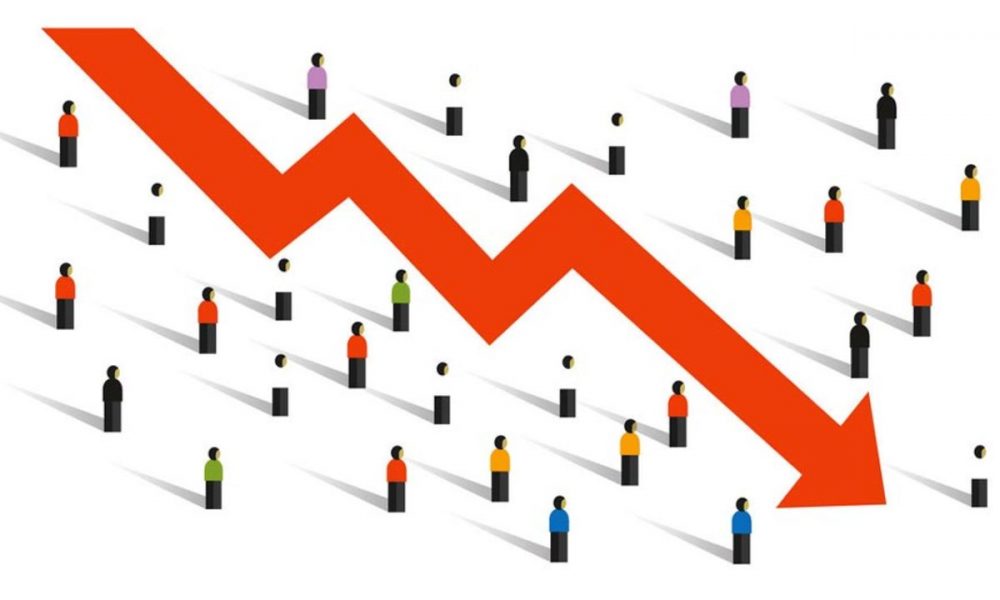
Why Deflation is Bad for the Economy
Deflation is caused by a decrease in demand for goods and services or an increase in supply. When prices fall, consumers tend to delay purchases in hopes of getting a better deal later, leading to decreased spending and, ultimately, a slowdown in economic growth.
Deflation can also increase the real value of debts and hinder investment, leading to a vicious cycle of decreased demand, decreased economic activity, and, potentially, a recession.
This situation is the opposite of inflation, which occurs when prices rise. While inflation is widely regarded as an opposing economic force, deflation can be equally detrimental. Below are some of the many reasons why deflation is bad for the economy.
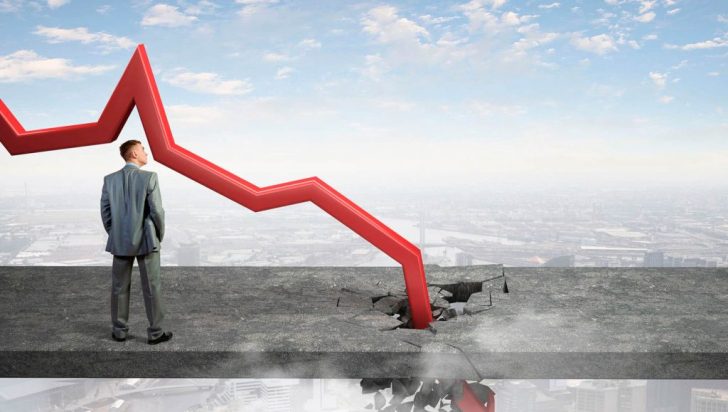
Shutterstock/ iStock | The deflation that took place at the outset of the Great Depression was the most dramatic that the U.S
Reduced Consumer Spending
One of the main reasons why deflation is bad for the economy is that it can lead to a decrease in consumer spending. When prices fall, consumers tend to delay purchases, hoping to take advantage of even lower prices.
This postponement of purchases can severely impact businesses, leading to decreased sales and job losses. If the trend of deflation persists, it can lead to a vicious cycle of reduced demand, lower sales, and job losses, ultimately leading to a recession.
Increased Debt Burden
Deflation can also lead to an increase in the debt burden for individuals and businesses. When the prices of goods and services fall, the value of money increases. This means that the amount of money owed on a debt, such as a mortgage or a business loan, increases in real terms. This can make it harder for individuals and businesses to repay their debts, leading to defaults and bankruptcies.
Ronnie Gomez/ Sprout | If inflation is the genie, then deflation is the ogre that must be fought decisively
Hindered Economic Growth
Another reason why deflation is bad for the economy is that it can hinder economic growth. When prices fall, businesses may delay investment in new equipment, technology, or research and development, hoping to wait for lower prices. This delay in investment can lead to decreased productivity and innovation, ultimately leading to slower economic growth.
Additionally, deflation can make it harder for governments to implement expansionary monetary policies, such as lowering interest rates or increasing the money supply, to stimulate economic growth.
Increased Real Interest Rates
Deflation can also lead to an increase in real interest rates. Real interest rates are the nominal interest rates adjusted for inflation. When inflation is low or negative, as it is in the case of deflation, real interest rates can become higher than nominal interest rates.
This means that even if nominal interest rates are low, borrowers may face higher borrowing costs in real terms, leading to decreased investment and economic growth.
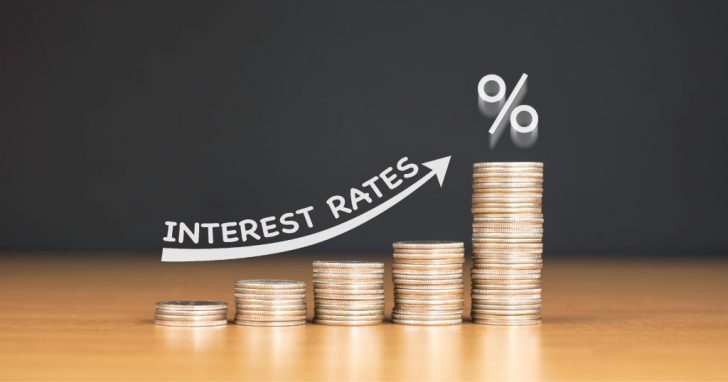
Ragan/ iStock | When there’s deflation, it means that although most markets are shrinking
Economic Uncertainty
It can also create uncertainty in the economy. When prices fall, businesses and consumers may become uncertain about the economy’s future direction. This uncertainty can lead to decreased confidence, further reducing consumer spending and business investment.
Additionally, deflation can create an expectation of further deflation, leading to a deflationary spiral, where consumers and businesses continue to delay purchases, ultimately leading to a recession.
More in Business
-
`
 SpaceX Is Going Public — Here’s What $5,000 Could Become in 5 Years
Anticipation is building around one of the most closely watched public offerings in recent memory. SpaceX, led by Elon Musk, has...
May 10, 2026 -
`
 Reed Hastings, Netflix Co-Founder, Is Leaving the Company
Netflix confirmed in its first-quarter earnings report that Hastings will not seek reelection to the board and will officially part ways...
May 1, 2026 -
`
 Why the Rich and Famous Are Selling Their Ski Mansions in Secret
A quiet layer of Colorado’s ski-home market rarely shows up on public real estate platforms. Behind the scenes, multi-million-dollar mansions change...
April 25, 2026 -
`
 What’s the Average Investment Portfolio for People in Their 30s Today?
Reaching the 30s often brings a mix of financial priorities that compete for attention. Home ownership, student loan repayment, growing families,...
April 19, 2026 -
`
 Is Tesla’s Investment in xAI a Smart Move for Investors?
Tesla’s decision to invest nearly $2 billion in xAI has quickly sparked debate across Wall Street. At first, the move may...
April 12, 2026 -
`
 If You Owe Student Loans, Don’t Miss This Treasury Update
A major shift is on the horizon for millions of student loan borrowers across the United States. The federal government has...
April 5, 2026 -
`
 Is $1 Million the New Middle Class? Why Millionaires Don’t Feel Rich Anymore
Reaching a million dollars once symbolized success. Today, it feels more like a milestone than a finish line. Many who achieve...
December 21, 2025 -
`
 Switzerland Ends Hands-Off Stance With Landmark Foreign Investment Screening Law
For years, Switzerland stood out as one of the few major economies without a broad system to screen foreign takeovers. Deals...
December 21, 2025 -
`
 Cash Habits of Rich Americans and Practical Tips to Grow Your Savings
Building long-term wealth isn’t about stuffing money under a mattress. Many affluent Americans understand that sitting on large piles of idle...
December 14, 2025
More From InvestmentGuru
-
 How to Protect Your Portfolio During Market Volatility
Market swings can test even the most carefully planned investment strategy. A sudden drop can trigger fear, while a sharp rise...
InvestmentsSeptember 26, 2026 -
 Why Nvidia Is Spending Nearly $13 Billion on Hugging Face
Nvidia is making a major move in the artificial intelligence software market. The chipmaker plans to acquire AI platform Hugging Face...
BusinessSeptember 19, 2026 -
 Warren Buffett’s 2 Success Lessons Ndamukong Suh Still Follows
Ndamukong Suh learned about success from one of the most respected investors in the world. More than 15 years ago, while...
Rich & FamousSeptember 12, 2026 -
 Why Investing in a Single Stock Can Be a Risky Move
A stock can look like a clear winner when a company has strong products, rising profits, or an exciting future. That...
AdvisorSeptember 4, 2026 -
 Retail Investors Sell SpaceX Shares for the First Time Since IPO
SpaceX retail investors shifted direction on August 7, selling more shares than they bought for the first time since the company...
InvestmentsAugust 30, 2026
You must be logged in to post a comment Login