
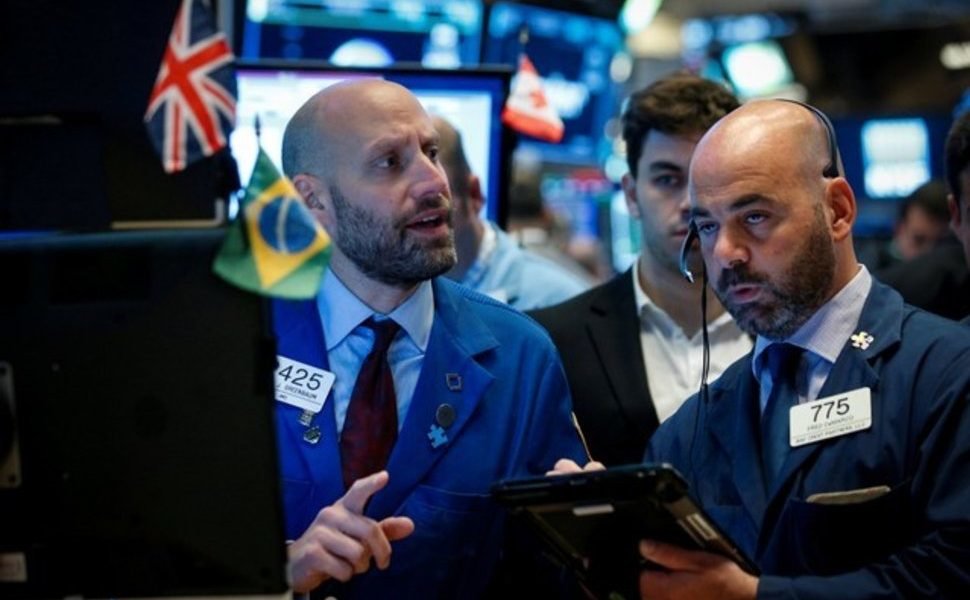
Investors Pull-out Lead to $30 Billion Equity Funds Outflows
Overview Of Outflow Reports
Strategists at Bank of America Merrill Lynch on Friday stated that equity funds experienced their second greatest weekly outflows ever, as approximately $29.7 billion got pulled out of risky assets. Sources claimed that this act was an aftermath of the increasing fears on the likely effects of U.S protectionism.
The EPFR data referred to by BAML revealed that the U.S. equity funds recorded its third largest weekly outflows as it lost $24.2 billion. Sources recorded that it signified the end of the year’s first half characterized by increasing volatility, increasing U.S. interest rates and rising global protectionism.
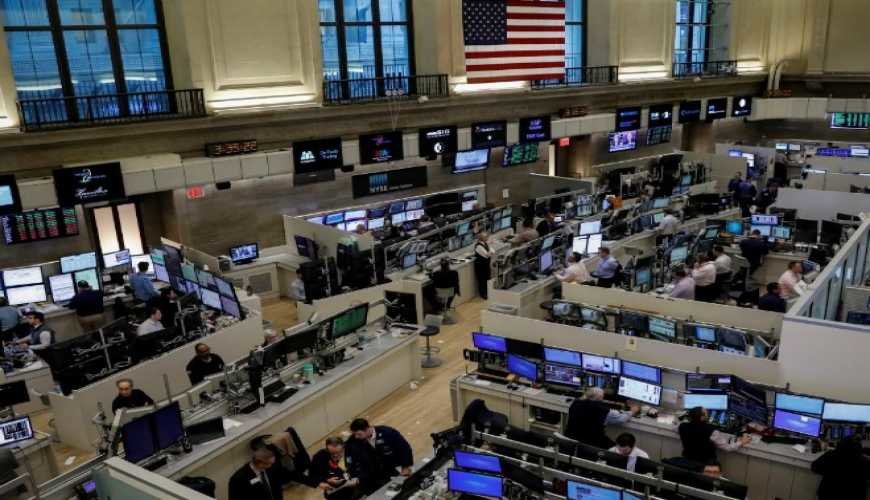
EPFR data revealed that the U.S. equity funds recorded its third-largest weekly outflows as it lost $24.2 billion
Reports had it that the recorded U.S. equities outflows were in sharp contrast to that of the previous week which had the U.S. as the only advanced equity region that experienced inflows. Sources claimed that the outflows from emerging market equities and debt funds also increased as investors shed emerging market assets while betting on a hit to emerging economies from a striking rise in the U.S. dollar. Reports further highlighted that about $18 billion was pulled out of emerging market equity and debt funds last month following an outflow of $8 billion in May.
On the global scene, media outlets stated that European stocks also had $3.9 billion pulled out of the region’s funds making it the 16th consecutive week of weekly outflows, while Japan on the other end enjoyed $2.6 billion inflows. Sources claimed that of all the equity sectors, technology showed the highest resilience to trade concerns. The threats to deter the activities of Chinese companies’ investors in the US tech sector, however, affected the stocks.
Tech has reportedly continued to attract the most robust and consistent inflows with $0.8 billion and enjoyed a total inflow of about $19 billion till present day whereas other sector funds experienced outflows of about $9 billion.
Indicators of Contrarian Buying
Away from equity funds to fixed income, funds for investment-grade bonds reportedly enjoyed robust inflows of $2.9 billion as most investors considered it as a safer investment option. Sources claimed that high-yield bond funds last week suffered outflows of $2 billion for the eighth straight week.
It was recorded that the high-yield bond funds were gradually towing the path of suffering outflows of a total $90 billion this year. The outflows were reportedly the result of changes in the global interest rate environment which increased core yields.
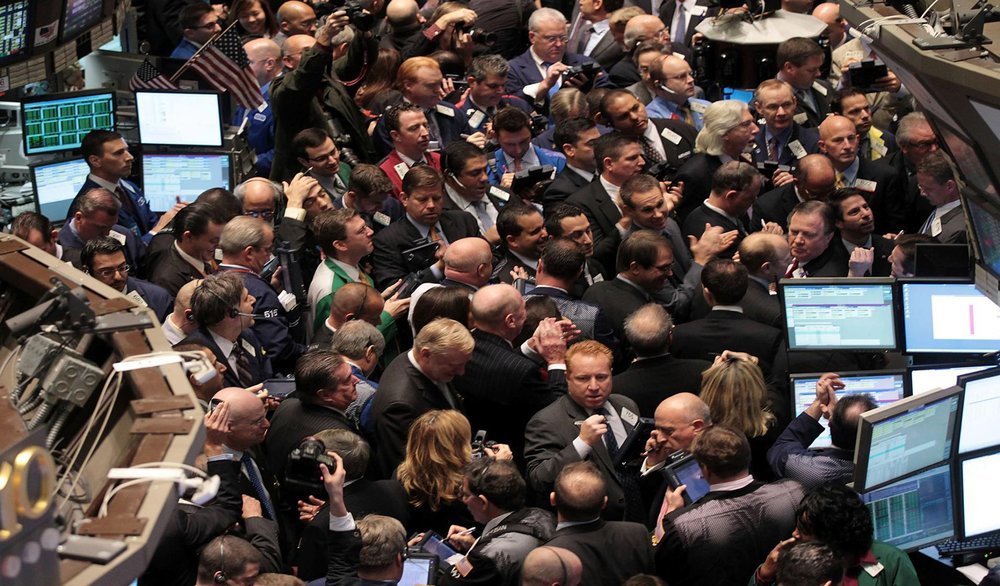
Funds for investment-grade bonds enjoyed robust inflows of $2.9 billion as it was considered a safer investment option.
The private client allocations of BAML revealed that the bond holdings of the U.S. government rose to a 10-year high. However, it was stated that there was sustained retention of investors’ outlook to assets with high risks as equities was at 61.1% and cash allocations were at a low of 9.9%.
BAML’s model that measured the appetite of investors for risk known as its “Bull and Bear” indicator revealed that investors’ appetite dropped to 2.4 and the fall moved it closer to a level considered to be an indication of contrarian buying.
The strategists further opined that triggers for this situation could include the S&P’s fall lower than 2,665 points coupled with the additional two weeks of high-yield outflows and emerging market outflows.
Similarities With 1998 Asian Crisis
The strategists at BAML pointed out similarities between the prevailing market situation and the 1997-1998 Asian financial crisis that caused the bailout of Long-Term Capital Management. In highlighting indicators of a similar crisis, the strategy team wrote that collapsing EM, Fed tightening, outperforming levered quant funds, flattening yield curve and U.S. decoupling were all pointing to the fact that the scenario of 1998 could happen again.
The team stated that banks, oils and yield curves were the most prominent summer tells for a repeat of what occurred in 1998.
The strategists also added that the continued pressure on the Chinese currency that had June as its worst month yet could also contribute to the triggering of events, while also serving as an unwind or the long U.S. dollar and long U.S. tech.
The strategists also noted that the insensitivity of the current interest rate imposed and the fact that the central banks had failed to do something about the revival of risk assets that had artificially low bond yields could also be red lights that there was an impending danger.
More in Business
-
`
 Why There Were No “Good Looks” at This Year’s Bezos Bash Met Gala
The Met Gala has always lived at the intersection of fashion, fame, and financial excess. This year, that intersection turned sharper....
May 24, 2026 -
`
 Why the Ultra-Wealthy Are Investing Outside the US
The United States still holds its position as the world’s largest center for billionaire and millionaire wealth. Yet a noticeable shift...
May 17, 2026 -
`
 SpaceX Is Going Public — Here’s What $5,000 Could Become in 5 Years
Anticipation is building around one of the most closely watched public offerings in recent memory. SpaceX, led by Elon Musk, has...
May 10, 2026 -
`
 Reed Hastings, Netflix Co-Founder, Is Leaving the Company
Netflix confirmed in its first-quarter earnings report that Hastings will not seek reelection to the board and will officially part ways...
May 1, 2026 -
`
 Why the Rich and Famous Are Selling Their Ski Mansions in Secret
A quiet layer of Colorado’s ski-home market rarely shows up on public real estate platforms. Behind the scenes, multi-million-dollar mansions change...
April 25, 2026 -
`
 What’s the Average Investment Portfolio for People in Their 30s Today?
Reaching the 30s often brings a mix of financial priorities that compete for attention. Home ownership, student loan repayment, growing families,...
April 19, 2026 -
`
 Is Tesla’s Investment in xAI a Smart Move for Investors?
Tesla’s decision to invest nearly $2 billion in xAI has quickly sparked debate across Wall Street. At first, the move may...
April 12, 2026 -
`
 If You Owe Student Loans, Don’t Miss This Treasury Update
A major shift is on the horizon for millions of student loan borrowers across the United States. The federal government has...
April 5, 2026 -
`
 Is $1 Million the New Middle Class? Why Millionaires Don’t Feel Rich Anymore
Reaching a million dollars once symbolized success. Today, it feels more like a milestone than a finish line. Many who achieve...
December 21, 2025
More From InvestmentGuru
-
 Nick Clegg’s Nscale Stake Could Be Worth $40 Million After IPO
Nick Clegg could see the value of his stake in UK-based data center company Nscale rise sharply if the company completes...
Rich & FamousOctober 10, 2026 -
 Where Does the Money Go When the Stock Market Crashes?
A sharp stock market drop can erase trillions of dollars in market value within hours. That can make it seem as...
AdvisorOctober 3, 2026 -
 How to Protect Your Portfolio During Market Volatility
Market swings can test even the most carefully planned investment strategy. A sudden drop can trigger fear, while a sharp rise...
InvestmentsSeptember 26, 2026 -
 Why Nvidia Is Spending Nearly $13 Billion on Hugging Face
Nvidia is making a major move in the artificial intelligence software market. The chipmaker plans to acquire AI platform Hugging Face...
BusinessSeptember 19, 2026 -
 Warren Buffett’s 2 Success Lessons Ndamukong Suh Still Follows
Ndamukong Suh learned about success from one of the most respected investors in the world. More than 15 years ago, while...
Rich & FamousSeptember 12, 2026
You must be logged in to post a comment Login