

If You Owe Student Loans, Don’t Miss This Treasury Update
A major shift is on the horizon for millions of student loan borrowers across the United States. The federal government has started moving student loan management responsibilities to the U.S. Treasury, and this decision is already drawing attention. While officials expect smoother operations, many borrowers still wonder how this change will affect their finances.
At the same time, rising debt levels and repayment challenges continue to pressure households. So, this transition arrives at a critical moment. Understanding what changes, and what stays the same, can help borrowers stay prepared and avoid confusion.
Why the Treasury Is Taking Control
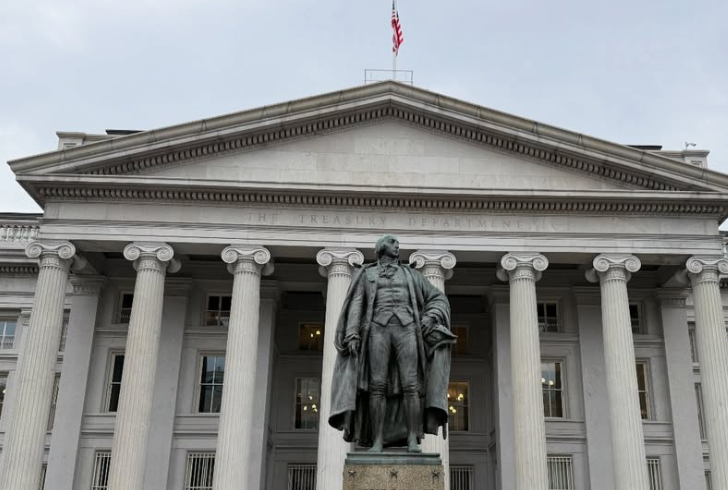
Instagram | @gwspmc | The Treasury will gradually take control of student loan operations to improve financial management and streamline the system.
The Department of Education has introduced a phased plan to transfer student loan operations. First, the Treasury will handle collections on defaulted loans. Then, it will gradually take control of the broader loan system and financial aid processes.
Officials believe this move will streamline operations. Treasury Secretary Scott Bessent explained that the department already manages complex financial systems. He stated that the Treasury can apply stronger financial discipline while improving how taxpayer money is handled.
At the same time, the Treasury already plays a role in loan-related processes. It helps distribute funds, verifies income using tax data, and collects unpaid debts through federal programs. Because of this, the transition builds on an existing framework.
The Scale of Borrowers Affected
This decision impacts millions of Americans. Current data shows that 42.8 million borrowers hold federal student loans, totaling $1.7 trillion. While many borrowers stay current, a large portion faces repayment challenges.
Around 7.7 million borrowers are currently in default on their student loans, with nearly 4 million more at risk of falling into default soon. At the same time, fewer than half of all borrowers are consistently making their payments on time.
These numbers highlight the urgency behind the shift. Since many borrowers struggle, the Treasury’s role in handling defaults could affect financial outcomes across the country.
What Borrowers Should Expect
Most borrowers will not need to act right away. Those in active repayment should continue working with their current loan servicers. Payments and account access will remain stable during the early phase.
However, borrowers in default will see changes sooner. The Treasury will oversee collections and may partner with private agencies. At the same time, borrowers can explore rehabilitation programs to regain good standing.
Experts note that the biggest change lies in how collections operate. One analyst explained that the Treasury will now directly manage recovery efforts instead of supporting from behind the scenes. This shift could lead to faster and more structured processes.
While officials highlight efficiency, critics express concern. Advocacy groups warn that moving loans to the Treasury could confuse borrowers. They argue that the Treasury may not fully understand borrower protections tied to education laws.
One policy leader suggested that this move could make relief harder to access. The concern focuses on vulnerable borrowers who already struggle with repayment. In addition, a past pilot program using Treasury systems did not outperform existing methods, which raises further doubts.
Why Supporters See Potential
Gemini AI | Supporters believe the Treasury can manage defaulted loans better because its strong fraud detection and debt recovery systems may increase repayment rates.
Despite concerns, supporters point to the Treasury’s strengths. The department has strong experience in managing financial risk and detecting fraud. These capabilities could improve how defaulted loans are tracked and recovered.
The Treasury Offset Program already allows the government to collect unpaid debts through tax refunds and federal payments. Expanding this system could increase recovery rates. At the same time, stricter oversight may encourage borrowers to stay current on payments.
This transition reflects a broader change in how student debt is handled. The focus is shifting toward financial accountability while maintaining existing repayment structures.
Borrowers who stay informed can avoid confusion and respond early to any changes. At the same time, taking action before default can protect long-term financial health.
As this system evolves, awareness and timely decisions will help borrowers stay in control and move forward with confidence.
More in Business
-
`
 Will Bitcoin Crash to $0 or Hit $500K in a Decade?
Bitcoin’s future divides analysts into two extreme camps. Some see it becoming one of the most valuable financial assets in history....
October 12, 2025 -
`
 Can Anyone Really Blame Mariah Carey for ‘Leaving’ the Real World?
Mariah Carey isn’t like the rest of us. From the moment she opens her mouth and that voice pours out, she...
October 10, 2025 -
`
 Intel Invests in Nvidia, but Ratings Remain Unchanged
Intel’s stock jumped more than 30% after news broke that Nvidia poured $5 billion into the company. The rally sparked renewed...
October 5, 2025 -
`
 Homeownership vs. Real Estate Investment: What’s Better?
Homeownership has long been seen as the American dream. But today, more people are asking: Is it really the smartest way...
October 3, 2025 -
`
 Why the Armani Fashion Empire Is Set for an IPO
Giorgio Armani, one of the most iconic names in global fashion, left behind a detailed plan for the future of his...
September 27, 2025 -
`
 Why Do Pokémon Cards Outperform the S&P 500 As an Investment?
Pokémon cards have outperformed the stock market by a mile. Since 2004, they have delivered a staggering 3,821% return, according to...
September 27, 2025 -
`
 America’s Billionaires Get Older—Millennials Wait for Wealth Transfer
Many of today’s billionaires don’t match the youthful tech-founder image often portrayed. While names like Elon Musk, Sam Altman, and Mark...
September 21, 2025 -
`
 Can President Trump Legally Fire Fed Governor Lisa Cook?
Lisa Cook is right in the middle of one of the most explosive legal battles in Washington. President Trump wants her...
September 20, 2025 -
`
 Jeff Bezos’ Advice for Millennials Who Want Financial Success
Millennials today have grown up in a world where instant access to products and services is the norm. From two-day deliveries...
September 13, 2025
More From InvestmentGuru
-
 If You Owe Student Loans, Don’t Miss This Treasury Update
A major shift is on the horizon for millions of student loan borrowers across the United States. The federal government has...
BusinessApril 5, 2026 -
 Is $1 Million the New Middle Class? Why Millionaires Don’t Feel Rich Anymore
Reaching a million dollars once symbolized success. Today, it feels more like a milestone than a finish line. Many who achieve...
Rich & FamousDecember 21, 2025 -
 Switzerland Ends Hands-Off Stance With Landmark Foreign Investment Screening Law
For years, Switzerland stood out as one of the few major economies without a broad system to screen foreign takeovers. Deals...
InvestmentsDecember 21, 2025 -
 Cash Habits of Rich Americans and Practical Tips to Grow Your Savings
Building long-term wealth isn’t about stuffing money under a mattress. Many affluent Americans understand that sitting on large piles of idle...
AdvisorDecember 14, 2025 -
 Tax Accounting is the Hottest Seasonal Job on the Market, Study
A new analysis from Monster reveals something few expected. Tax accounting is now the most in-demand seasonal job title in the...
BusinessDecember 13, 2025
You must be logged in to post a comment Login