
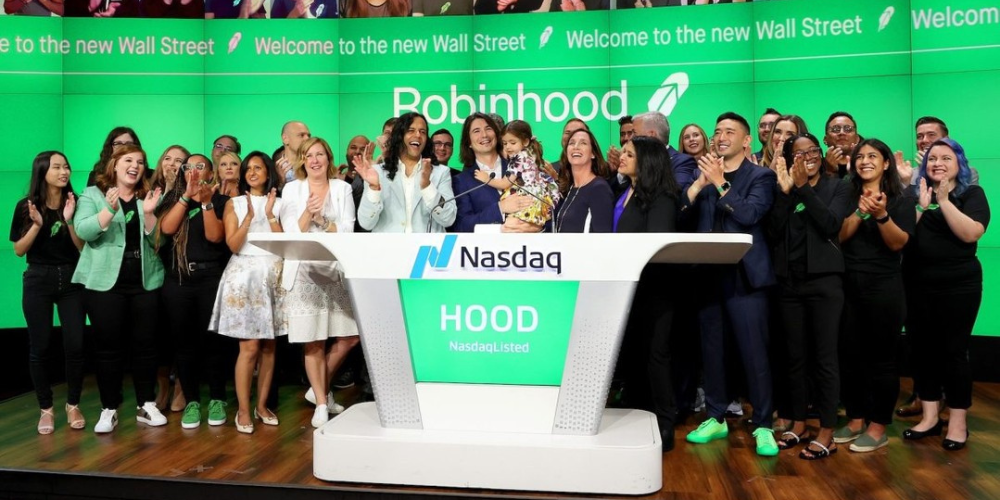
Robinhood Launches $200M Fund for Y Combinator Startups
Robinhood is preparing to give retail investors access to a fund focused on startups linked to Y Combinator, one of Silicon Valley’s best-known startup accelerators. The new product, Robinhood Venture Fund II (RVII), is expected to begin trading publicly on August 13 at $25 per share.
However, investors will buy shares in the fund, not direct ownership stakes in the startups it targets.
How RVII Will Work
RVII plans to raise up to $200 million, according to Reuters. The fund will use that capital to purchase shares in companies founded by current or former Y Combinator participants, but only when those startups agree to sell their shares.
That structure gives everyday investors a way to gain indirect exposure to private startups that are normally difficult to access. Still, the returns are not guaranteed. Investors will depend on the value of RVII shares and the performance of the companies held by the fund.
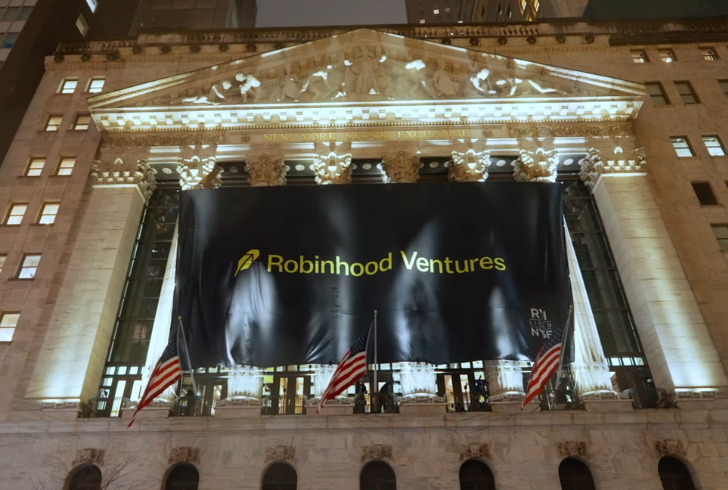
Instagram | nyse | Robinhood Venture Fund II debuts August 13 at $25 per share, bringing Y Combinator startup access to public investors.
The fee structure also differs from that of a typical publicly traded stock. A Robinhood-owned entity will receive management and other fees that together exceed 4%. The arrangement includes a 2% management fee based on net returns and 20% carried interest. Carry allows the fund manager to receive 20% of qualifying profits when investments generate successful exits.
RVII also does not appear to have a fixed end date for returning capital to investors. Traditional venture capital funds often operate for roughly 10 years before winding down. RVII may make cash distributions, but investors could largely depend on changes in the fund’s share price to realize gains.
RVI Shows Both Sides of the Model
Robinhood already operates Robinhood Ventures Fund I (NYSE: RVI), which invests in private companies such as Databricks, Mercor, and OpenAI. RVI launched with an IPO price of $21 and has traded well above that level.
The fund also shows the risks involved. RVI climbed above $56 in May but later fell to around $28 per share. That movement highlights how quickly the market value of a fund tied to private companies can change.
Robinhood has faced scrutiny over other products connected to private companies. In 2025, the company sold crypto assets described as tokenized shares of OpenAI and SpaceX. OpenAI said it was not involved and that the tokens did not represent ownership in the company.
RVII is structured differently because it plans to purchase actual shares in private startups rather than create tokenized assets.
What Investors Should Know
Instagram | @app.stocks.markets | RVII gives investors easier access to Y Combinator startups, but uncertain returns still create significant risks.
RVII offers public-market access to an investment type usually associated with venture capital. Yet the structure comes with fees, uncertain liquidity, and no clear promise of regular profit distributions.
The fund’s performance will ultimately depend on the private companies it holds, their valuations, and whether those businesses achieve profitable exits.
Robinhood Venture Fund II could make startup investing more accessible, but that access does not eliminate the risks associated with venture capital. Investors will not own Y Combinator startups directly, and returns will depend on the fund’s performance.
The $25 opening price, fee structure, trading activity, and eventual startup exits will be important factors to watch once RVII begins trading.
More in Business
-
`
 Why the Ultra-Wealthy Are Investing Outside the US
The United States still holds its position as the world’s largest center for billionaire and millionaire wealth. Yet a noticeable shift...
May 17, 2026 -
`
 SpaceX Is Going Public — Here’s What $5,000 Could Become in 5 Years
Anticipation is building around one of the most closely watched public offerings in recent memory. SpaceX, led by Elon Musk, has...
May 10, 2026 -
`
 Reed Hastings, Netflix Co-Founder, Is Leaving the Company
Netflix confirmed in its first-quarter earnings report that Hastings will not seek reelection to the board and will officially part ways...
May 1, 2026 -
`
 Why the Rich and Famous Are Selling Their Ski Mansions in Secret
A quiet layer of Colorado’s ski-home market rarely shows up on public real estate platforms. Behind the scenes, multi-million-dollar mansions change...
April 25, 2026 -
`
 What’s the Average Investment Portfolio for People in Their 30s Today?
Reaching the 30s often brings a mix of financial priorities that compete for attention. Home ownership, student loan repayment, growing families,...
April 19, 2026 -
`
 Is Tesla’s Investment in xAI a Smart Move for Investors?
Tesla’s decision to invest nearly $2 billion in xAI has quickly sparked debate across Wall Street. At first, the move may...
April 12, 2026 -
`
 If You Owe Student Loans, Don’t Miss This Treasury Update
A major shift is on the horizon for millions of student loan borrowers across the United States. The federal government has...
April 5, 2026 -
`
 Is $1 Million the New Middle Class? Why Millionaires Don’t Feel Rich Anymore
Reaching a million dollars once symbolized success. Today, it feels more like a milestone than a finish line. Many who achieve...
December 21, 2025 -
`
 Switzerland Ends Hands-Off Stance With Landmark Foreign Investment Screening Law
For years, Switzerland stood out as one of the few major economies without a broad system to screen foreign takeovers. Deals...
December 21, 2025
More From InvestmentGuru
-
 Nick Clegg’s Nscale Stake Could Be Worth $40 Million After IPO
Nick Clegg could see the value of his stake in UK-based data center company Nscale rise sharply if the company completes...
Rich & FamousOctober 10, 2026 -
 Where Does the Money Go When the Stock Market Crashes?
A sharp stock market drop can erase trillions of dollars in market value within hours. That can make it seem as...
AdvisorOctober 3, 2026 -
 How to Protect Your Portfolio During Market Volatility
Market swings can test even the most carefully planned investment strategy. A sudden drop can trigger fear, while a sharp rise...
InvestmentsSeptember 26, 2026 -
 Why Nvidia Is Spending Nearly $13 Billion on Hugging Face
Nvidia is making a major move in the artificial intelligence software market. The chipmaker plans to acquire AI platform Hugging Face...
BusinessSeptember 19, 2026 -
 Warren Buffett’s 2 Success Lessons Ndamukong Suh Still Follows
Ndamukong Suh learned about success from one of the most respected investors in the world. More than 15 years ago, while...
Rich & FamousSeptember 12, 2026
You must be logged in to post a comment Login