
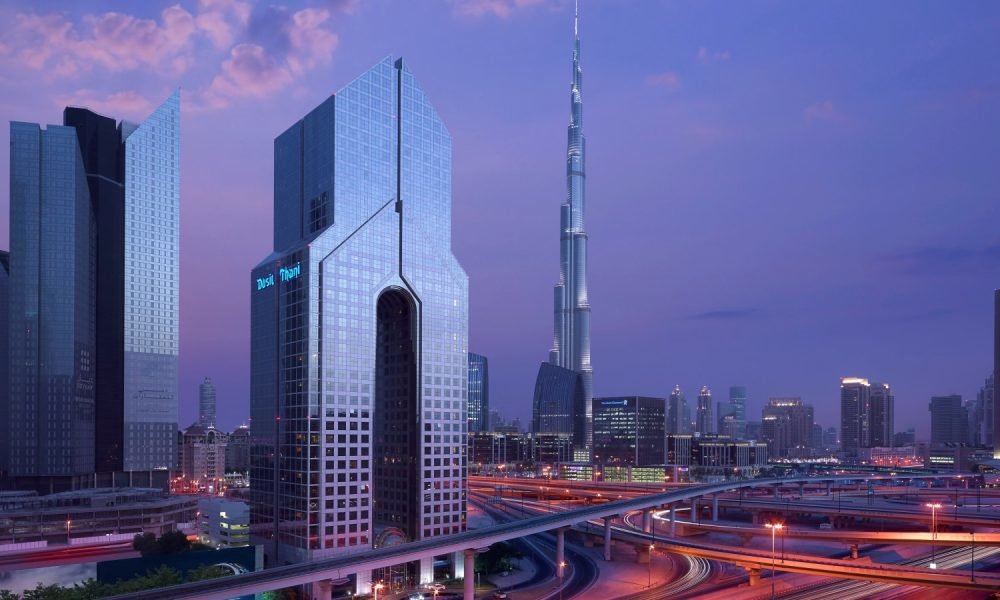
Did you Know Dubai’s Real Estate Model is Far Superior to China’s?
As the real estate markets slow down around the world, experts are sounding off theirs concerns about waning demand and aggressive supply that have been at the heart of the issue. Some have even compared the problem to China’s housing crisis where too many homes were built in areas that didn’t have a lot of demand, creating vast unpopulated ‘ghost towns’.
Despite an influx of supply, not enough people were moving to these newly-built city centers, and property dealers were struggling to sell homes in these areas. But despite a few similarities between, Dubai and China’s real estate development models have many critical differences. Here are a few that really stand out.
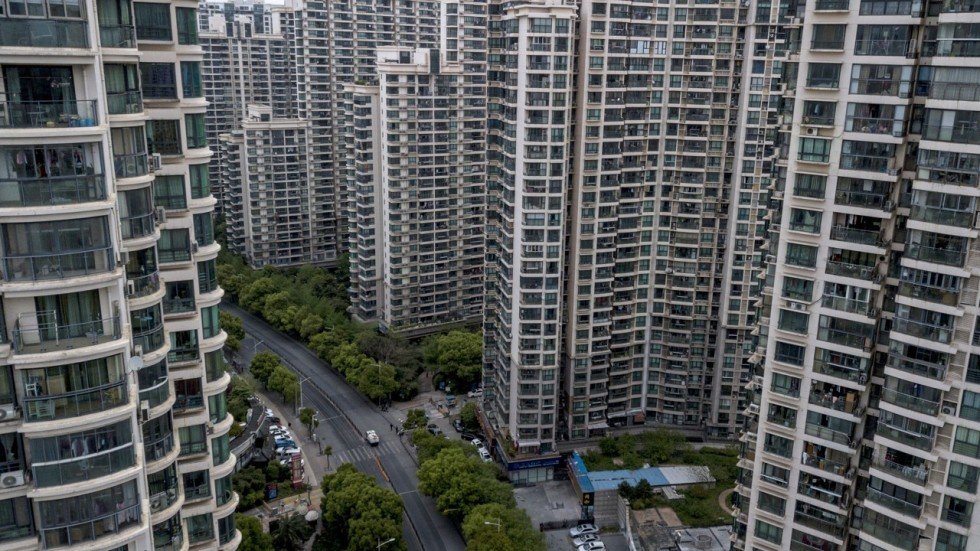
According to housing data, the infrastructure boom in China is mainly fueled by the country’s debt
Centralized Urban Planning
According to housing data, the infrastructure boom in China is mainly fueled by the country’s debt. The government ramped up the supply pipeline in hopes of fueling demand for housing which could positively impact the economy.
This is usually an effective method to boosting aggregate demand in fast-developing economies like China. To a certain extent, Dubai too has followed the centralized urban planning mechanism, but where it has differentiated from the Chinese market is by its elevation of aggregate demand through the private sector.
Increase in Immigrant Population
Dubai’s real estate market has one big advantage over China’s: the country has seen a huge spike in immigrants which has worked in favor of its infrastructure development model. According to an investigative report by the Economist, UAE has seen the greatest spike in immigration levels in the world over the past 15 years.
Because of Dubai’s status as one of the most luxurious cities in the world, it mostly attracts wealthy immigrants who invest in its economy as well as its real estate market. The biggest benefit of this is that the builders have relied on capital brought in by investors instead of debt to fund development projects. This has helped Dubai in keeping its balance sheets clean.
This has also made the city more responsive to change in demand unlike China where the market was heavily reliant on people migrating from rural areas to urban cities before starting the urbanization process. This way, the builders needed funding from banks to start development projects since housing demand in these urban cities didn’t technically exist at this point.
Evolving Regulatory Landscape
One of the biggest factors that kept the housing demand steady in Dubai is the city’s sophisticated regulatory landscape which closely monitors each development project and ensures transparency in the entire process so that it is easier for builders to decide if the project is financially viable. The private sector also keeps a close watch on the market state, giving in-depth and diverse perspective on various projects from an investment view-point.
This valuable insight is the best that is offered among all urbanization models around the world but that doesn’t meant that Dubai’s real estate market is impermeable to price corrections. Even the private sector is prone to failure like the centralized planning system.
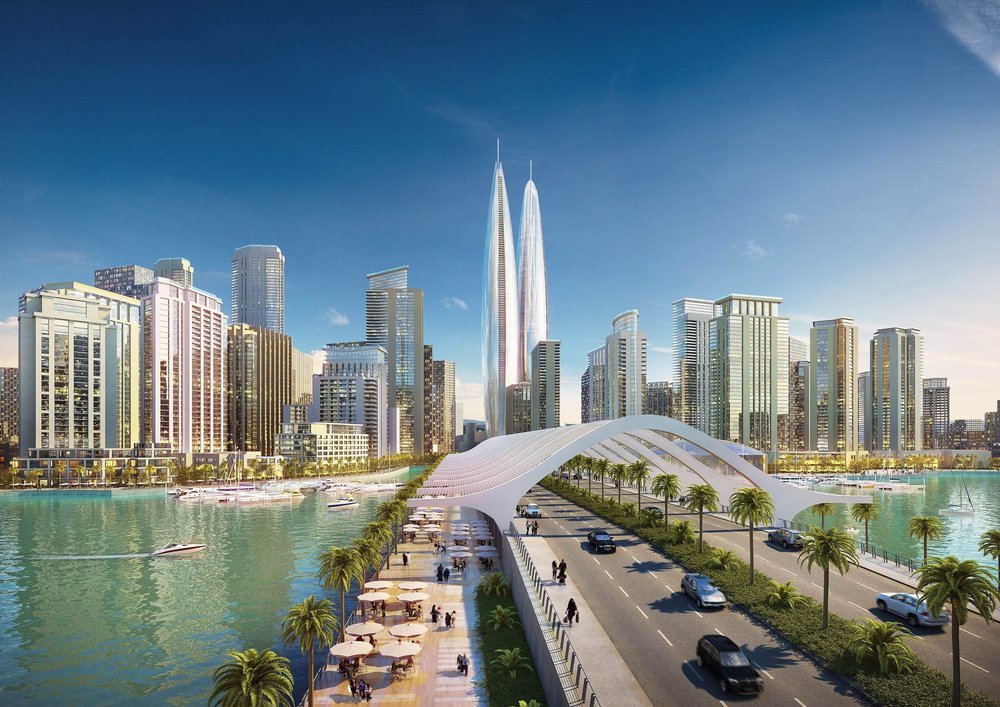
Dubai’s real estate market is very efficient in navigating price signals and adjusting them to the rise and fall in aggregate demand
Private Sector Involvement
But investment capital from the private sector will always be advantageous over debt in fueling urbanization. One of the big advantages is that that the private sector will always provide an incentive to adapt to shift in demand and clear out inventory through discounted pricing and other aggressive payment plans. However when this development model doesn’t work, it results in even quicker slowdown in construction and supply that the centralized planning model.
Dubai’s real estate market is very efficient in navigating price signals and adjusting them to the rise and fall in aggregate demand. Dubai’s market faces fluctuations just like any other part of the word due to changing business cycles. But suppliers’ response to changing demand is quick, indicating an efficient inventory clearing system, which reduces the risk of overbuilding and oversupplying to almost zero.
More in Business
-
`
 SpaceX Is Going Public — Here’s What $5,000 Could Become in 5 Years
Anticipation is building around one of the most closely watched public offerings in recent memory. SpaceX, led by Elon Musk, has...
May 10, 2026 -
`
 Reed Hastings, Netflix Co-Founder, Is Leaving the Company
Netflix confirmed in its first-quarter earnings report that Hastings will not seek reelection to the board and will officially part ways...
May 1, 2026 -
`
 Why the Rich and Famous Are Selling Their Ski Mansions in Secret
A quiet layer of Colorado’s ski-home market rarely shows up on public real estate platforms. Behind the scenes, multi-million-dollar mansions change...
April 25, 2026 -
`
 What’s the Average Investment Portfolio for People in Their 30s Today?
Reaching the 30s often brings a mix of financial priorities that compete for attention. Home ownership, student loan repayment, growing families,...
April 19, 2026 -
`
 Is Tesla’s Investment in xAI a Smart Move for Investors?
Tesla’s decision to invest nearly $2 billion in xAI has quickly sparked debate across Wall Street. At first, the move may...
April 12, 2026 -
`
 If You Owe Student Loans, Don’t Miss This Treasury Update
A major shift is on the horizon for millions of student loan borrowers across the United States. The federal government has...
April 5, 2026 -
`
 Is $1 Million the New Middle Class? Why Millionaires Don’t Feel Rich Anymore
Reaching a million dollars once symbolized success. Today, it feels more like a milestone than a finish line. Many who achieve...
December 21, 2025 -
`
 Switzerland Ends Hands-Off Stance With Landmark Foreign Investment Screening Law
For years, Switzerland stood out as one of the few major economies without a broad system to screen foreign takeovers. Deals...
December 21, 2025 -
`
 Cash Habits of Rich Americans and Practical Tips to Grow Your Savings
Building long-term wealth isn’t about stuffing money under a mattress. Many affluent Americans understand that sitting on large piles of idle...
December 14, 2025
More From InvestmentGuru
-
 How to Protect Your Portfolio During Market Volatility
Market swings can test even the most carefully planned investment strategy. A sudden drop can trigger fear, while a sharp rise...
InvestmentsSeptember 26, 2026 -
 Why Nvidia Is Spending Nearly $13 Billion on Hugging Face
Nvidia is making a major move in the artificial intelligence software market. The chipmaker plans to acquire AI platform Hugging Face...
BusinessSeptember 19, 2026 -
 Warren Buffett’s 2 Success Lessons Ndamukong Suh Still Follows
Ndamukong Suh learned about success from one of the most respected investors in the world. More than 15 years ago, while...
Rich & FamousSeptember 12, 2026 -
 Why Investing in a Single Stock Can Be a Risky Move
A stock can look like a clear winner when a company has strong products, rising profits, or an exciting future. That...
AdvisorSeptember 4, 2026 -
 Retail Investors Sell SpaceX Shares for the First Time Since IPO
SpaceX retail investors shifted direction on August 7, selling more shares than they bought for the first time since the company...
InvestmentsAugust 30, 2026
You must be logged in to post a comment Login