
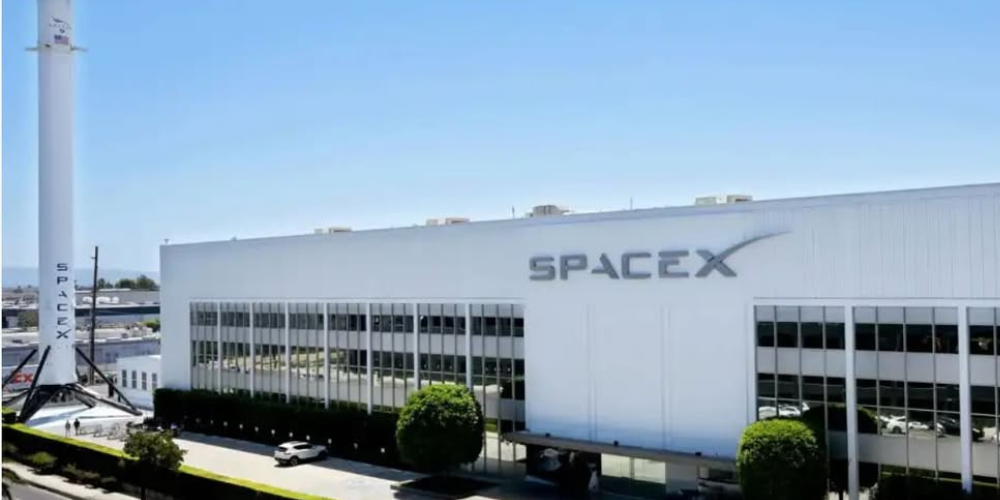
SpaceX Is Going Public — Here’s What $5,000 Could Become in 5 Years
Anticipation is building around one of the most closely watched public offerings in recent memory. SpaceX, led by Elon Musk, has quietly filed for an initial public offering and is reportedly aiming for a June 2026 debut.
The numbers alone are enough to draw attention. The company is expected to raise around $75 billion, with a valuation that could exceed $2 trillion. That would place it among the most valuable publicly traded companies, sitting just behind giants like Amazon.
What sets this IPO apart is not only its scale but also its structure. Reports suggest that up to 30% of shares could be reserved for retail investors. That figure stands well above the usual allocation, yet demand is still expected to outweigh supply.
For those able to secure shares early, even a $5,000 investment could lead to vastly different outcomes depending on how the business evolves.
What Investors Are Really Buying
At first glance, SpaceX appears to be a space exploration company. Rocket launches, satellite deployments, and ambitious Mars missions dominate headlines. However, the company’s financial strength comes from a different source—Starlink.
Starlink, the satellite internet division, generated close to $12 billion in revenue in 2025. That figure accounts for roughly 60% of SpaceX’s total revenue. More importantly, it remains the only segment producing strong profits. With EBITDA margins exceeding 60%, Starlink operates with efficiency rarely seen in high-growth tech ventures.
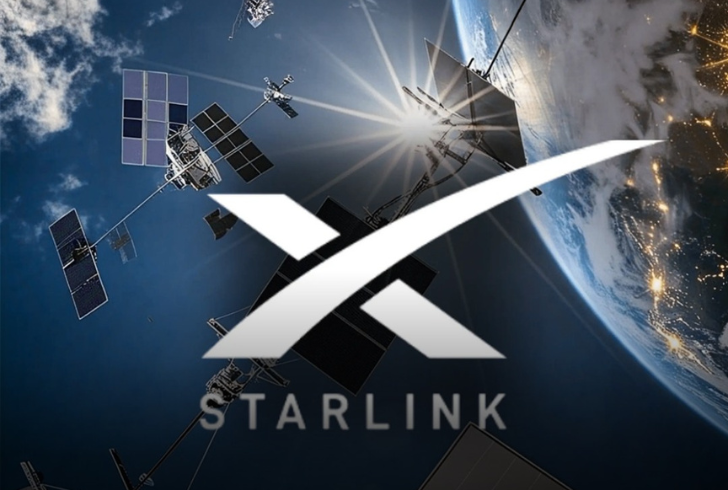
Instagram | @blocknewsint | SpaceX earns most revenue from Starlink while launches support long-term growth and market dominance.
In contrast, the launch business continues to scale but has yet to deliver meaningful profitability. Revenue flows in, yet expenses keep pace. Even so, its dominance in the commercial spaceflight market is unmatched, giving SpaceX a significant competitive edge.
The company’s broader ambitions also include ventures tied to artificial intelligence. Elon Musk has introduced plans involving xAI and the concept of orbital data centers. The idea aims to position SpaceX against major players like Google, OpenAI, and Anthropic.
At this stage, though, these efforts generate minimal revenue while consuming approximately $1 billion per month.
Valuation and Growth Expectations
A projected $2 trillion valuation places SpaceX in rare territory. Based on 2025 revenue, that translates to a price-to-sales ratio of about 125. Such a figure signals high expectations and leaves little room for underperformance.
Stocks with similar valuations often face pressure over time as growth slows or expectations adjust. Still, history shows that elevated multiples can persist longer than expected. Companies like Palantir have demonstrated that investors sometimes maintain confidence despite steep valuations.
Future performance depends on how several moving parts come together. Starlink’s growth trajectory, the stability of its margins, and progress in newer ventures all play a role. At the same time, external competition and market sentiment will influence how investors value the company.
Three Possible Outcomes for a $5,000 Investment
A $5,000 investment at the time of the IPO could follow very different paths over five years. The outcomes depend largely on execution and market conditions.
In a strong growth scenario, SpaceX maintains momentum across its core businesses. Starlink continues expanding rapidly, while new projects begin to show promise. In this case, an annual return of 20% could turn $5,000 into approximately $12,442 by 2031. That would push the company’s valuation close to $5 trillion.
A more moderate scenario assumes steady but slower progress. Starlink remains profitable, though growth begins to taper. The launch segment continues to lead globally, while newer ventures remain in development stages. Under these conditions, a 7% annual return could grow the investment to around $7,013, with a company valuation near $2.8 trillion.
The downside scenario reflects challenges tied to high expectations. Growth slows more than anticipated, or newer initiatives fail to gain traction. In this case, a negative annual return of 15% could reduce the investment to about $2,218, bringing the valuation down to roughly $890 billion.
Factors That Could Limit Growth
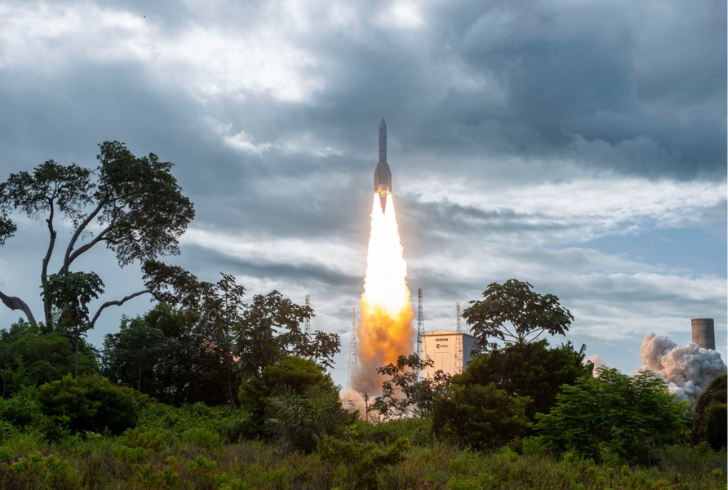
Instagram | amazonleo_ | Amazon and China are launching rival satellite networks that could challenge SpaceX’s industry lead.
While the upside potential draws attention, several concerns deserve equal consideration. Starlink’s expansion, for instance, may face natural limits. The service is particularly valuable in regions lacking reliable internet infrastructure. However, these markets often come with lower pricing power, which can cap long-term revenue growth.
Competition is also intensifying. Amazon’s Project Kuiper, now referred to as Amazon Leo, and China’s Qianfan initiative are both working to establish their own satellite networks. As these systems develop, SpaceX may face pressure on pricing and market share.
The company’s ambitions in artificial intelligence and orbital data centers introduce additional uncertainty. The concept of placing data centers in space may sound appealing, yet technical hurdles remain significant. Space, despite common assumptions, presents challenges for cooling systems due to its vacuum environment. Managing heat becomes more difficult, not less.
Maintenance also raises questions. Replacing hardware, protecting equipment from radiation, and ensuring reliable data transmission all add complexity. The cost of launching and assembling such infrastructure further complicates the equation. These factors contribute to skepticism around the feasibility of the concept in the near term.
Meanwhile, xAI continues to operate at a loss, with no clear timeline for profitability. This adds financial pressure and increases reliance on successful execution elsewhere.
Market Uncertainty and Expectations
High-growth companies often bring wide-ranging outcomes. SpaceX fits this pattern. Its valuation reflects strong confidence in future performance, yet that confidence also increases risk. Even minor setbacks can lead to sharp adjustments in stock price.
Investor sentiment plays a major role as well. If excitement around space technology and satellite internet remains strong, the stock could sustain higher valuations. On the other hand, shifts in market focus or broader economic conditions could weigh on performance.
SpaceX’s upcoming IPO presents a mix of opportunity and uncertainty. The company holds a dominant position in space launches and a highly profitable satellite internet business. At the same time, its valuation sets a high bar for future growth.
A $5,000 investment could deliver strong returns if key initiatives succeed, yet it could also face declines if expectations outpace results. The next five years will depend on execution, competition, and how well ambitious ideas translate into measurable outcomes.
More in Investments
-
`
 Why There Were No “Good Looks” at This Year’s Bezos Bash Met Gala
The Met Gala has always lived at the intersection of fashion, fame, and financial excess. This year, that intersection turned sharper....
May 24, 2026 -
`
 Why the Ultra-Wealthy Are Investing Outside the US
The United States still holds its position as the world’s largest center for billionaire and millionaire wealth. Yet a noticeable shift...
May 17, 2026 -
`
 Reed Hastings, Netflix Co-Founder, Is Leaving the Company
Netflix confirmed in its first-quarter earnings report that Hastings will not seek reelection to the board and will officially part ways...
May 1, 2026 -
`
 Why the Rich and Famous Are Selling Their Ski Mansions in Secret
A quiet layer of Colorado’s ski-home market rarely shows up on public real estate platforms. Behind the scenes, multi-million-dollar mansions change...
April 25, 2026 -
`
 What’s the Average Investment Portfolio for People in Their 30s Today?
Reaching the 30s often brings a mix of financial priorities that compete for attention. Home ownership, student loan repayment, growing families,...
April 19, 2026 -
`
 Is Tesla’s Investment in xAI a Smart Move for Investors?
Tesla’s decision to invest nearly $2 billion in xAI has quickly sparked debate across Wall Street. At first, the move may...
April 12, 2026 -
`
 If You Owe Student Loans, Don’t Miss This Treasury Update
A major shift is on the horizon for millions of student loan borrowers across the United States. The federal government has...
April 5, 2026 -
`
 Is $1 Million the New Middle Class? Why Millionaires Don’t Feel Rich Anymore
Reaching a million dollars once symbolized success. Today, it feels more like a milestone than a finish line. Many who achieve...
December 21, 2025 -
`
 Switzerland Ends Hands-Off Stance With Landmark Foreign Investment Screening Law
For years, Switzerland stood out as one of the few major economies without a broad system to screen foreign takeovers. Deals...
December 21, 2025
More From InvestmentGuru
-
 Nick Clegg’s Nscale Stake Could Be Worth $40 Million After IPO
Nick Clegg could see the value of his stake in UK-based data center company Nscale rise sharply if the company completes...
Rich & FamousOctober 10, 2026 -
 Where Does the Money Go When the Stock Market Crashes?
A sharp stock market drop can erase trillions of dollars in market value within hours. That can make it seem as...
AdvisorOctober 3, 2026 -
 How to Protect Your Portfolio During Market Volatility
Market swings can test even the most carefully planned investment strategy. A sudden drop can trigger fear, while a sharp rise...
InvestmentsSeptember 26, 2026 -
 Why Nvidia Is Spending Nearly $13 Billion on Hugging Face
Nvidia is making a major move in the artificial intelligence software market. The chipmaker plans to acquire AI platform Hugging Face...
BusinessSeptember 19, 2026 -
 Warren Buffett’s 2 Success Lessons Ndamukong Suh Still Follows
Ndamukong Suh learned about success from one of the most respected investors in the world. More than 15 years ago, while...
Rich & FamousSeptember 12, 2026
You must be logged in to post a comment Login