
Why There Were No “Good Looks” at This Year’s Bezos Bash Met Gala
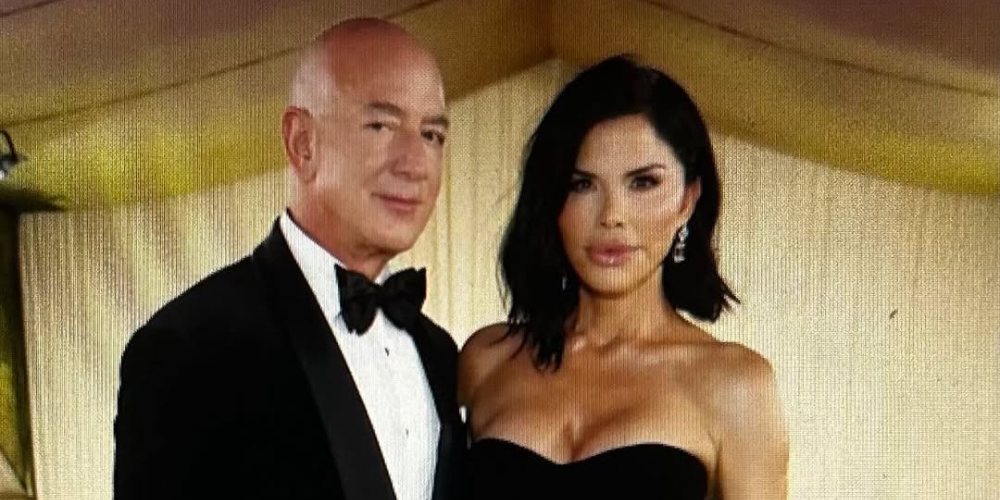
The Met Gala has always lived at the intersection of fashion, fame, and financial excess. This year, that intersection turned sharper. Jeff Bezos and Lauren Sanchez Bezos, after contributing a reported ten million dollars to co-sponsor the event, became central figures in a wave of criticism that stretched far beyond red carpet fashion.
What unfolded around the “Bezos Bash” edition of the gala revealed something deeper than celebrity spectacle. It exposed a widening discomfort with wealth, influence, and how power shows up in plain sight.
The backlash began even before the first cameras hit the carpet. Jeff Bezos and Lauren Sanchez Bezos faced immediate scrutiny for their visible role in financing the event. The criticism followed familiar lines: elitism, billionaire excess, and the perception of trying to buy cultural acceptance through visibility.
The Met Gala, long shaped under Anna Wintour’s leadership into a high-gloss fusion of art and celebrity, has never been short on controversy. Yet this year’s attention sharpened around its sponsors in a different way. Bezos even avoided the red carpet entirely, while Sanchez Bezos remained present, drawing significant media focus.
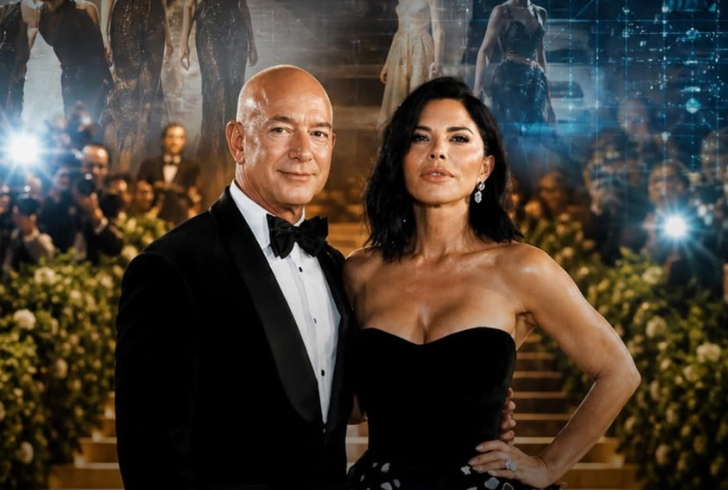
Instagram | @businessbulls.in | Jeff and Lauren Bezos faced heavy scrutiny after dropping $10 million to co-sponsor this year’s Met Gala.
At the same time, public reaction intensified online and offline. Reports of labor organizer Chris Smalls attempting to confront the event added a layer of tension that extended the conversation beyond fashion commentary.
What might have been a night centered on design themes and “naked dresses” instead turned into a broader reflection of economic divides.
Why Bezos Became the Center of Attention
The Met Gala has hosted powerful figures for decades, so the focus on Jeff Bezos raised questions. Why him, and why now?
Part of the answer sits in perception. Bezos does not belong to the traditional world of fashion, film, or visual arts. That distance created a narrative that he was entering a cultural space rather than shaping it organically. Critics framed this as an attempt to purchase proximity to cultural influence.
Another layer involves political and economic tension. Bezos has faced scrutiny over Amazon’s labor practices, including working conditions that sparked widespread criticism. Allegations around low wages and warehouse pressures continue to shape public opinion, especially in discussions about wealth concentration in the United States.
His broader public image also plays a role. His ownership of major media outlets and past alignment with government contracts tied to his space ventures added to the perception of concentrated influence. For critics, the Met Gala appearance symbolized more than attendance—it represented visibility of power without accountability.
Wealth, Visibility, and a Growing Divide
The criticism directed at the event did not exist in isolation. It connected to long-running frustrations about inequality in the United States. The Met Gala, with its multi-million-dollar outfits and tightly curated exclusivity, often stands as a visible marker of separation between economic classes.
In this context, Bezos and Sanchez Bezos became focal points rather than exceptions. The event itself already sits in a space where extreme wealth is normalized. The added attention reflected a broader sentiment: discomfort with how easily financial power translates into cultural presence.
One of the most discussed contrasts emerged in comparisons of charitable giving. Jeff Bezos has reportedly contributed around 4.7 billion dollars in philanthropy, which represents a small portion of his overall wealth. In contrast, Mackenzie Scott, his former spouse, donated approximately 7.2 billion dollars in 2025 alone. The difference intensified conversations about how billionaires engage with social responsibility.
At the core, the debate was less about a single event and more about structural imbalance. Questions circulated around wages, labor expectations, and the everyday realities of workers supporting massive corporations. Amazon delivery conditions, often criticized for extreme pressure, became part of the backdrop to the Met Gala conversation.
Pop Culture, Performance, and Reaction
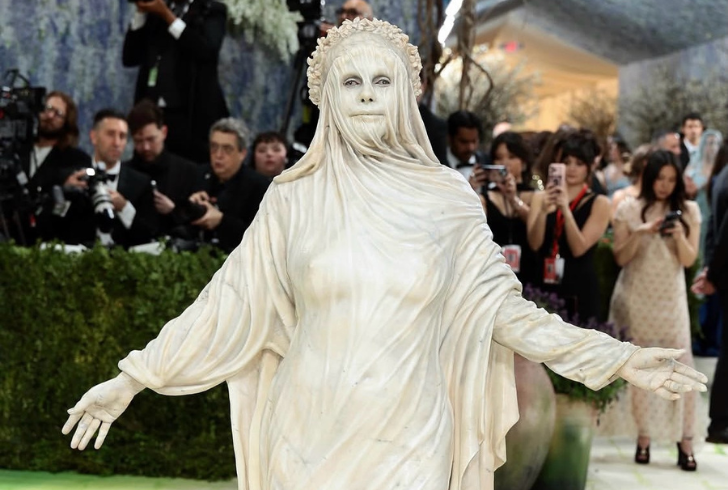
Instagram | shoppingwithdali | Heidi Klum’s worm costume and Bezos chatter dominated this year’s Met Gala spectacle.
The Met Gala is also a stage for spectacle, and this year delivered plenty of it. Heidi Klum’s unconventional worm-inspired look and Bad Bunny’s heavily stylized appearance—described by some as resembling an “abuelo” aesthetic—became viral talking points alongside the Bezos discourse.
Lauren Sanchez Bezos also drew attention, with commentary focusing on her appearance and presence at an event already saturated with high-profile fashion statements. Critics labeled the participation as tone-deaf given the broader economic climate, while supporters viewed it as part of the gala’s long-standing tradition of theatrical self-expression.
Still, the tone of public reaction carried a different edge this year. Instead of pure fascination, there was a sense of friction. The event’s spectacle no longer felt detached from broader realities. It appeared connected to them.
A key cultural reference resurfaced in discussions: the television framing of wealth in “Lifestyles of the Rich and Famous.” Once consumed as aspirational entertainment, it now reads more critically, highlighting how wealth display has shifted from admiration to skepticism.
A Broader Reflection on Power and Perception
Public reaction to the Met Gala signals a noticeable shift in how extreme wealth is viewed today. Attention is no longer just on individual billionaires or one-off events. The focus has moved toward deeper questions about opportunity gaps, visibility, and how economic systems shape access to influence.
A key concern raised in discussions is access. A very small group consistently appears in high-profile cultural spaces, while most people remain far removed from them. The Met Gala, known for its exclusive guest list, often stands as a clear symbol of that separation.
At the same time, interest in celebrity culture has not faded. Fashion moments, red carpet appearances, and viral highlights still attract strong engagement. This creates a mixed response—criticism of excess on one side, fascination on the other.
The discussion around Jeff Bezos, Lauren Sanchez Bezos, and the Met Gala goes beyond a single evening. It reflects ongoing discomfort with how wealth and influence overlap in public spaces.
As economic realities and cultural visibility continue to intersect, events like the Met Gala function as more than entertainment. They act as markers for broader debates about fairness, access, and social balance in modern society.
More in Rich & Famous
-
`
 Why the Ultra-Wealthy Are Investing Outside the US
The United States still holds its position as the world’s largest center for billionaire and millionaire wealth. Yet a noticeable shift...
May 17, 2026 -
`
 SpaceX Is Going Public — Here’s What $5,000 Could Become in 5 Years
Anticipation is building around one of the most closely watched public offerings in recent memory. SpaceX, led by Elon Musk, has...
May 10, 2026 -
`
 Reed Hastings, Netflix Co-Founder, Is Leaving the Company
Netflix confirmed in its first-quarter earnings report that Hastings will not seek reelection to the board and will officially part ways...
May 1, 2026 -
`
 Why the Rich and Famous Are Selling Their Ski Mansions in Secret
A quiet layer of Colorado’s ski-home market rarely shows up on public real estate platforms. Behind the scenes, multi-million-dollar mansions change...
April 25, 2026 -
`
 What’s the Average Investment Portfolio for People in Their 30s Today?
Reaching the 30s often brings a mix of financial priorities that compete for attention. Home ownership, student loan repayment, growing families,...
April 19, 2026 -
`
 Is Tesla’s Investment in xAI a Smart Move for Investors?
Tesla’s decision to invest nearly $2 billion in xAI has quickly sparked debate across Wall Street. At first, the move may...
April 12, 2026 -
`
 If You Owe Student Loans, Don’t Miss This Treasury Update
A major shift is on the horizon for millions of student loan borrowers across the United States. The federal government has...
April 5, 2026 -
`
 Is $1 Million the New Middle Class? Why Millionaires Don’t Feel Rich Anymore
Reaching a million dollars once symbolized success. Today, it feels more like a milestone than a finish line. Many who achieve...
December 21, 2025 -
`
 Switzerland Ends Hands-Off Stance With Landmark Foreign Investment Screening Law
For years, Switzerland stood out as one of the few major economies without a broad system to screen foreign takeovers. Deals...
December 21, 2025
More From InvestmentGuru
-
 Nick Clegg’s Nscale Stake Could Be Worth $40 Million After IPO
Nick Clegg could see the value of his stake in UK-based data center company Nscale rise sharply if the company completes...
Rich & FamousOctober 10, 2026 -
 Where Does the Money Go When the Stock Market Crashes?
A sharp stock market drop can erase trillions of dollars in market value within hours. That can make it seem as...
AdvisorOctober 3, 2026 -
 How to Protect Your Portfolio During Market Volatility
Market swings can test even the most carefully planned investment strategy. A sudden drop can trigger fear, while a sharp rise...
InvestmentsSeptember 26, 2026 -
 Why Nvidia Is Spending Nearly $13 Billion on Hugging Face
Nvidia is making a major move in the artificial intelligence software market. The chipmaker plans to acquire AI platform Hugging Face...
BusinessSeptember 19, 2026 -
 Warren Buffett’s 2 Success Lessons Ndamukong Suh Still Follows
Ndamukong Suh learned about success from one of the most respected investors in the world. More than 15 years ago, while...
Rich & FamousSeptember 12, 2026
You must be logged in to post a comment Login