
Ten Years After the Financial Crisis, What Have We Learned So Far?
In 2008, thousands of American workers were forced to postpone their retirement after losing pension funds in one of the biggest financial meltdowns in the global history. After Lehman Brothers Holdings Inc. collapsed, Wilson Ramirez was one of the many Filipinos who stared at big gaping hole where there had once been his 401(k) saving.
It has officially been a decade since the financial crisis of 2008 crippled the global economy, and its effects can still be felt in people’s lives around the world. And while wages and employment rates have returned to pre-crisis level, there are plenty of lessons from this historic event that still need to be internalized. Here’s a summary of all the accomplishments and consequences that have followed the financial crisis of 2008.
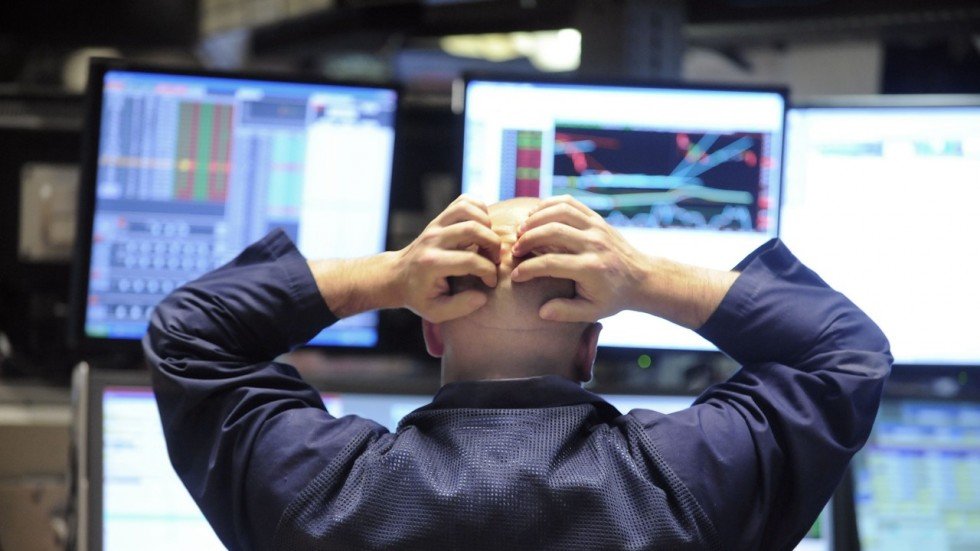
In 2008, thousands of American workers were forced to postpone their retirement after losing pension funds to one of the biggest financial meltdowns in the global history
How it Started
It was the one word uttered by the Lehman Brothers that triggered the 2008’s financial crisis: Bankrupt.
But the banking industry had started showing signs of weakness before the unfortunate year. According to Ramirez, it started in 1999 when the U.S. government revoked a law that isolated commercial banking from securities. After the law was repealed, banks were able to sell their mortgage loans to individual investors as low-risk securities.
Mortgage backed securities became a popular investment tool in the early 2000’s when the Federal Reserve decided to lower interest rates to make betting on securities more profitable. During this time, large credit-rating agencies had started endorsing this type of investment heavily and to make mortgage securities more appealing to investors, they started giving higher ratings to risky assets, knowingly.
While credit companies were pushing investors to invest, banks were giving homeowners more incentives to take out mortgages, even if they couldn’t afford the loans. This unsustainable practice reached a dangerous level in 2008 as homeowners started to default on mortgage payments.
Learning Lessons
Most people believe that the credit rating agencies were the real culprit behind the 2008 crisis. However, these agencies have learned their lessons and adopted a strict stance on how they analyze companies, banks and financial institutions before rating them. They have been looking at economies with magnifying lenses now look at several long-term indicators before upgrading emerging economies.
Despite their role in exacerbating the financial crisis of 2008, credit rating agencies still play an invaluable role in giving investors information about the riskiness of a certain security.
After the global financial crisis, the Central Bank of U.S. has eased its monetary policy by reducing the policy rate, taking advanced liquidity-enhancing measures, increasing communication within the banking industry and introducing regulatory forbearance.
In the December of 2008, BSP slashed policy rates by 200 basis points, bringing the repurchase rate back to 4 per cent and lending rate to 6 per cent which helped reduce the cost of borrowing
In the December of 2008, BSP slashed policy rates by 200 basis points, bringing the repurchase rate back to 4 per cent and lending rate to 6 per cent. The rate reduction helped reduce the cost of borrowing which minimized economic slowdown. To enhance dollar liquidity, the BPS has opened US dollar repo facility to infuse the dollar liquidity into the forex market, making more credits available for import and immediate funding.
BPS has also called for more efficient communication among the regional peers in the banking industry to strengthen relationships within the financial system and promote efforts to share information, start discussions on various developments and pool resources in times of need.
It has been 10 years since the historic crisis and the country’s economy has made immense recovery in its employment growth and GDP. Washington had to spend billions of dollars to bail out ailing financial institutions, and imposed strict laws for monitoring the mortgage industry. It has taken the years for the housing market to return to pre-crisis levels.
And as the dust settles, Ramirez is also preparing for a much-needed retirement. But everything he has saved so far is being threatened once again by Trump Administration’s efforts to relax loan regulations. Ramirez hopes that Trump can uphold the Legislative protective measures that were introduced to protect the taxpayer from another financial disaster.
More in Advisor
-
`
 Why the Rich and Famous Are Selling Their Ski Mansions in Secret
A quiet layer of Colorado’s ski-home market rarely shows up on public real estate platforms. Behind the scenes, multi-million-dollar mansions change...
April 25, 2026 -
`
 What’s the Average Investment Portfolio for People in Their 30s Today?
Reaching the 30s often brings a mix of financial priorities that compete for attention. Home ownership, student loan repayment, growing families,...
April 19, 2026 -
`
 Is Tesla’s Investment in xAI a Smart Move for Investors?
Tesla’s decision to invest nearly $2 billion in xAI has quickly sparked debate across Wall Street. At first, the move may...
April 12, 2026 -
`
 If You Owe Student Loans, Don’t Miss This Treasury Update
A major shift is on the horizon for millions of student loan borrowers across the United States. The federal government has...
April 5, 2026 -
`
 Is $1 Million the New Middle Class? Why Millionaires Don’t Feel Rich Anymore
Reaching a million dollars once symbolized success. Today, it feels more like a milestone than a finish line. Many who achieve...
December 21, 2025 -
`
 Switzerland Ends Hands-Off Stance With Landmark Foreign Investment Screening Law
For years, Switzerland stood out as one of the few major economies without a broad system to screen foreign takeovers. Deals...
December 21, 2025 -
`
 Cash Habits of Rich Americans and Practical Tips to Grow Your Savings
Building long-term wealth isn’t about stuffing money under a mattress. Many affluent Americans understand that sitting on large piles of idle...
December 14, 2025 -
`
 Tax Accounting is the Hottest Seasonal Job on the Market, Study
A new analysis from Monster reveals something few expected. Tax accounting is now the most in-demand seasonal job title in the...
December 13, 2025 -
`
 The Role of AI and Empathy in Modern Financial Advice
Advisers today are challenged to harness new technology without diminishing the human element that clients rely on. AI, automation, and digital...
December 7, 2025
More From InvestmentGuru
-
 Warren Buffett’s 2 Success Lessons Ndamukong Suh Still Follows
Ndamukong Suh learned about success from one of the most respected investors in the world. More than 15 years ago, while...
Rich & FamousSeptember 12, 2026 -
 Why Investing in a Single Stock Can Be a Risky Move
A stock can look like a clear winner when a company has strong products, rising profits, or an exciting future. That...
AdvisorSeptember 4, 2026 -
 Retail Investors Sell SpaceX Shares for the First Time Since IPO
SpaceX retail investors shifted direction on August 7, selling more shares than they bought for the first time since the company...
InvestmentsAugust 30, 2026 -
 Robinhood Launches $200M Fund for Y Combinator Startups
Robinhood is preparing to give retail investors access to a fund focused on startups linked to Y Combinator, one of Silicon...
BusinessAugust 22, 2026 -
 Why Korean Celebrities and Sports Stars Just Invested $70 Million in Athletics
The Athletics continue to build financial support for their move to Las Vegas, adding another group of well-known investors just days...
Rich & FamousAugust 15, 2026
You must be logged in to post a comment Login