
Study of Ancient Coins Leads to New Discoveries Of Roman Financial Positon
The research, conducted by researchers at the University of Warwick and the University of Liverpool in England, revealed a debasement of the currency far greater than historians had thought. Researchers recently performed a scientific analysis of the composition of Roman denarii, which were small silver coins from ancient Rome. This has brought fresh understanding to a financial crisis briefly mentioned by the Roman statesman and writer Marcus Tullius in his essay on moral leadership, De Officiis. The new findings have solved a long-standing historical debate.
The Roman state was teetering on the edge of bankruptcy in 91 BCE, at least in part due to the Social War against their Italian allies, who wanted citizenship along with the power to vote in Roman elections. By 89 BCE, Rome was mired in a debt crisis, and Cicero’s passage suggested people were losing confidence in their currency, the denarius, too.
Historical context for the Roman currency

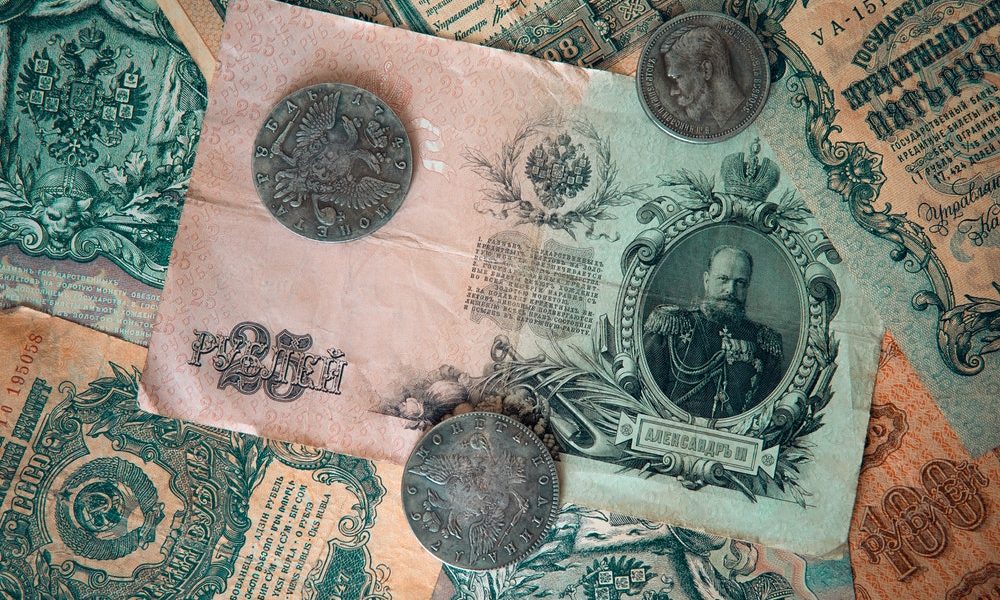
Towfiqu Barbhuiya/ Pexels | The first coins made in Rome resembled those that were produced in nearby Greece
Roman currency for most of Roman history consisted of gold, silver, bronze, orichalcum and copper coinage. From its introduction to the Republic, during the third century BC, well into Imperial times, Roman currency saw many changes in form, denomination, and composition. A persistent feature was the inflationary debasement and replacement of coins over the centuries. Notable examples of this followed the reforms of Diocletian. This trend continued into Byzantine times.
Due to the economic power and longevity of the Roman state, Roman currency was widely used throughout western Eurasia and northern Africa from classical times into the Middle Ages. It served as a model for the currencies of the Muslim caliphates and the European states during the Middle Ages and the Modern Era.
Further discoveries

Edneil Jocusol/ Pexels | According to different scholars, the Lydian stater is considered the world’s oldest coin
In part of an ongoing project, Butcher and colleagues analyzed the composition of coins minted during these years. They used minimally invasive sampling techniques to prevent damaging the precious silver relics, bearing the heads of gods and Roman leaders, that were first introduced as currency in 211 BCE, valued at ten bronze coins. The researchers found before 90 BCE the denarius was composed of pure silver, but that dropped 10 percent only five years later.
A five-year research project funded by the European Research Council aims to increase the understanding of the economies of classical Rome and other Mediterranean states by analyzing the composition of their coins. Dr Ponting, one of the researchers involved in this project, said that their sampling technique used to take samples from important coins has revealed a significant decline in the value of the denarius.

Pixabay/ Pexels | Roman coinage, as in other societies, represented a guaranteed and widely recognised value
The denarius was initially a pure silver coin. Then, its value dropped to under a 95 per cent fine, and subsequently to 90 per cent. Some coins fell as low as 86 per cent, suggesting a severe currency crisis. Research added that in the years after 91 BC, the Roman state was in danger of becoming bankrupt. They added that the Romans were at war with their own allies in Italy and that by the conclusion of the war, in 89 BC, there was a debt crisis.
More in Rich & Famous
-
`
 Why the Rich and Famous Are Selling Their Ski Mansions in Secret
A quiet layer of Colorado’s ski-home market rarely shows up on public real estate platforms. Behind the scenes, multi-million-dollar mansions change...
April 25, 2026 -
`
 What’s the Average Investment Portfolio for People in Their 30s Today?
Reaching the 30s often brings a mix of financial priorities that compete for attention. Home ownership, student loan repayment, growing families,...
April 19, 2026 -
`
 Is Tesla’s Investment in xAI a Smart Move for Investors?
Tesla’s decision to invest nearly $2 billion in xAI has quickly sparked debate across Wall Street. At first, the move may...
April 12, 2026 -
`
 If You Owe Student Loans, Don’t Miss This Treasury Update
A major shift is on the horizon for millions of student loan borrowers across the United States. The federal government has...
April 5, 2026 -
`
 Is $1 Million the New Middle Class? Why Millionaires Don’t Feel Rich Anymore
Reaching a million dollars once symbolized success. Today, it feels more like a milestone than a finish line. Many who achieve...
December 21, 2025 -
`
 Switzerland Ends Hands-Off Stance With Landmark Foreign Investment Screening Law
For years, Switzerland stood out as one of the few major economies without a broad system to screen foreign takeovers. Deals...
December 21, 2025 -
`
 Cash Habits of Rich Americans and Practical Tips to Grow Your Savings
Building long-term wealth isn’t about stuffing money under a mattress. Many affluent Americans understand that sitting on large piles of idle...
December 14, 2025 -
`
 Tax Accounting is the Hottest Seasonal Job on the Market, Study
A new analysis from Monster reveals something few expected. Tax accounting is now the most in-demand seasonal job title in the...
December 13, 2025 -
`
 The Role of AI and Empathy in Modern Financial Advice
Advisers today are challenged to harness new technology without diminishing the human element that clients rely on. AI, automation, and digital...
December 7, 2025
More From InvestmentGuru
-
 Warren Buffett’s 2 Success Lessons Ndamukong Suh Still Follows
Ndamukong Suh learned about success from one of the most respected investors in the world. More than 15 years ago, while...
Rich & FamousSeptember 12, 2026 -
 Why Investing in a Single Stock Can Be a Risky Move
A stock can look like a clear winner when a company has strong products, rising profits, or an exciting future. That...
AdvisorSeptember 4, 2026 -
 Retail Investors Sell SpaceX Shares for the First Time Since IPO
SpaceX retail investors shifted direction on August 7, selling more shares than they bought for the first time since the company...
InvestmentsAugust 30, 2026 -
 Robinhood Launches $200M Fund for Y Combinator Startups
Robinhood is preparing to give retail investors access to a fund focused on startups linked to Y Combinator, one of Silicon...
BusinessAugust 22, 2026 -
 Why Korean Celebrities and Sports Stars Just Invested $70 Million in Athletics
The Athletics continue to build financial support for their move to Las Vegas, adding another group of well-known investors just days...
Rich & FamousAugust 15, 2026
You must be logged in to post a comment Login